


Dr. Eboni Green
April 20, 2021
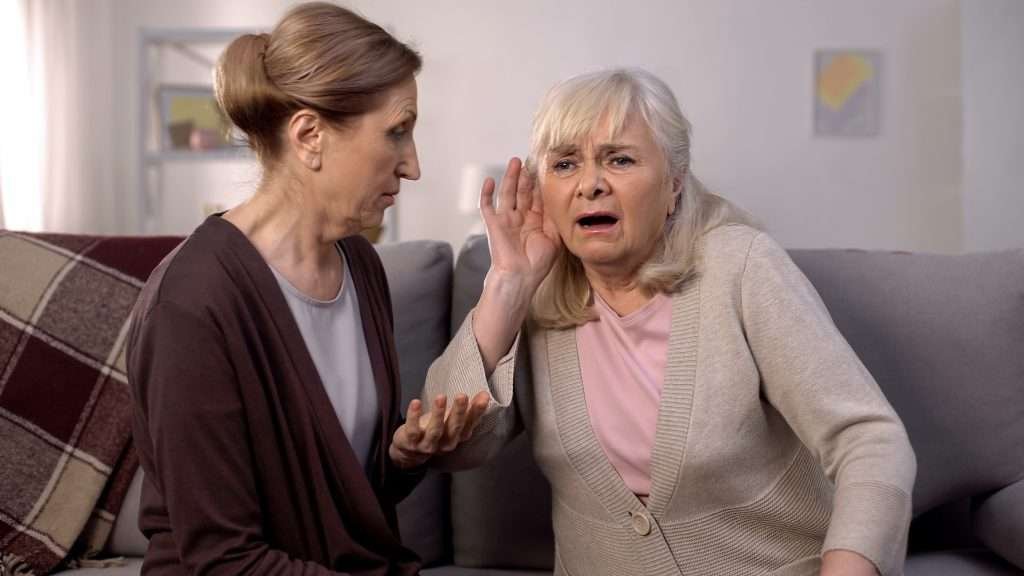
No matter what age you may be, hearing loss can be terrifying and isolating experience. Hearing loss – whether partial or complete – may be even more difficult for elder members of the community, who may be coping with isolation and waning health. As a result, it is important that you know the steps you can take as a caregiver, to provide them with the support they need to continue to thrive.
With that in mind, here are just some of the ways in which you can support a loved one dealing with hearing loss.
Whether they simply want to avoid the problem or do not want to cause you any additional worry or stress, your loved one may try to downplay how they are feeling at any given time – even if they may be experiencing difficulties related to hearing loss. Therefore, you must encourage them to be honest with you no matter what – as this is the only way in which you can provide them with needed support. Furthermore, identifying problems sooner rather than later is a great way to continue looking ahead as a caregiver.

Though changes in hearing is a part of normal aging, it could also be indicative of further health issues. Thankfully, there are many different signs and symptoms that could indicate that an individual is experiencing hearing loss – meaning that you can quickly identify the problem and seek treatment.
Hearing loss could manifest itself through the following signs/behaviors:
Ideally, caregivers in any capacity should ensure that the people they are caring for receive regular medical check-ups to address any issues they may be dealing with. For example, you should ensure that they have a hearing test at least once a year. If symptoms appear unexpectedly, then make an appointment sooner rather than later – as delays can complicate the situation. After all, if the symptoms persist, then it may be time for them to attend a hearing aid fitting. Though this may seem like a big step, it should be encouraged if necessary as it can greatly improve their quality of life. Furthermore, the procedure is simple and straightforward – meaning that is truly nothing to worry about.