


Dr. Eboni Green
February 22, 2024
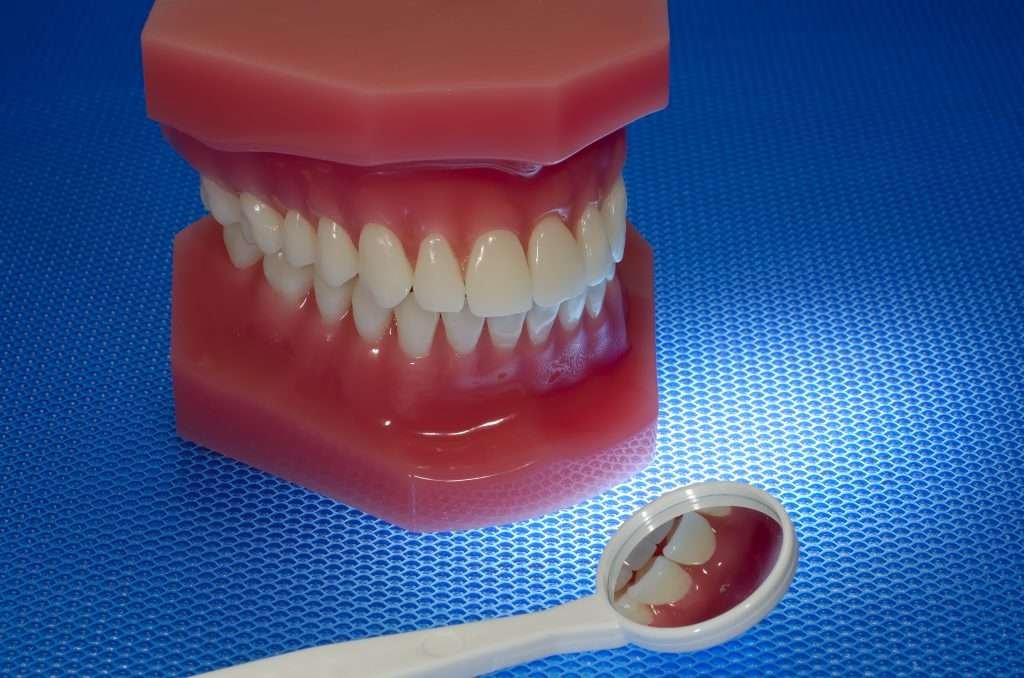
As society grapples with the challenges associated with aging, one aspect often overlooked is the importance of oral health for seniors. Maintaining a healthy mouth is essential for basic functions like eating and speaking and overall well-being. However, many elderly individuals face significant obstacles in accessing proper dental care. This reality underscores the indispensable role that caregivers play in safeguarding the dental health of seniors under their care.
In the realm of elderly dental care, knowledge is power. Caregivers serve as educators, enlightening seniors about the critical link between oral hygiene and overall health. Through gentle reminders and informative discussions, caregivers can instill a sense of responsibility in seniors regarding their oral care routines, laying the foundation for healthier habits.
Physical limitations such as arthritis can make simple tasks like brushing and flossing challenging for many seniors. Caregivers step in as invaluable aides, offering hands-on assistance with these essential oral care activities. By ensuring thorough cleaning and proper denture care, caregivers help seniors maintain optimal oral hygiene and prevent the onset of dental issues.
Regular dental check-ups are paramount for seniors, yet logistical hurdles often stand in the way. Caregivers play a pivotal role in coordinating and arranging transportation for these appointments. By accompanying seniors to dental visits and advocating for their needs, caregivers ensure that their oral health remains a top priority. Caregivers can facilitate access to essential dental resources and appointments, including visits to reputable clinics such as the-oakwoodclinic.co.uk, ensuring seniors receive comprehensive oral care. This professional dentist in Del Mar CA recommends visiting a dental expert every 6 months. But seniors may need to visit more often depending on their dental situation.
Caregivers serve as the frontline defense against oral health problems by remaining vigilant for any changes in the senior’s oral cavity. Whether it’s detecting bleeding gums, loose teeth, or difficulty chewing, caregivers are adept at recognizing potential issues early on. This proactive approach enables prompt intervention and prevents minor concerns from escalating into more serious dental issues.
Nutrition plays a vital role in oral health, and caregivers are crucial in guiding seniors toward dietary choices that promote dental wellness. By encouraging the consumption of nutritious foods while discouraging sugary snacks and beverages, caregivers contribute to the overall health and longevity of their senior charges’ smiles.
Effective communication between seniors, caregivers, and dental professionals is essential for optimal oral health outcomes. Caregivers act as bridges, facilitating open dialogue and ensuring that seniors’ concerns are heard and addressed during dental appointments. This collaborative approach fosters trust and enhances the quality of care seniors receive.
Despite the undeniable importance of dental care for seniors, many face barriers such as limited insurance coverage and mobility challenges. Caregivers advocate tirelessly for policies and programs that expand access to affordable dental services for the elderly population, thereby promoting oral health equity and ensuring that no senior is left behind.
Caregivers are unsung heroes in the crusade for elderly dental health. Through their dedication, compassion, and advocacy, caregivers empower seniors to prioritize their oral health and access the care they need to maintain healthy smiles and vibrant lives. By working hand in hand with dental professionals and community stakeholders, caregivers can make a tangible difference in the well-being of the elderly individuals they serve.