
Dr. Eboni Green
February 25, 2024
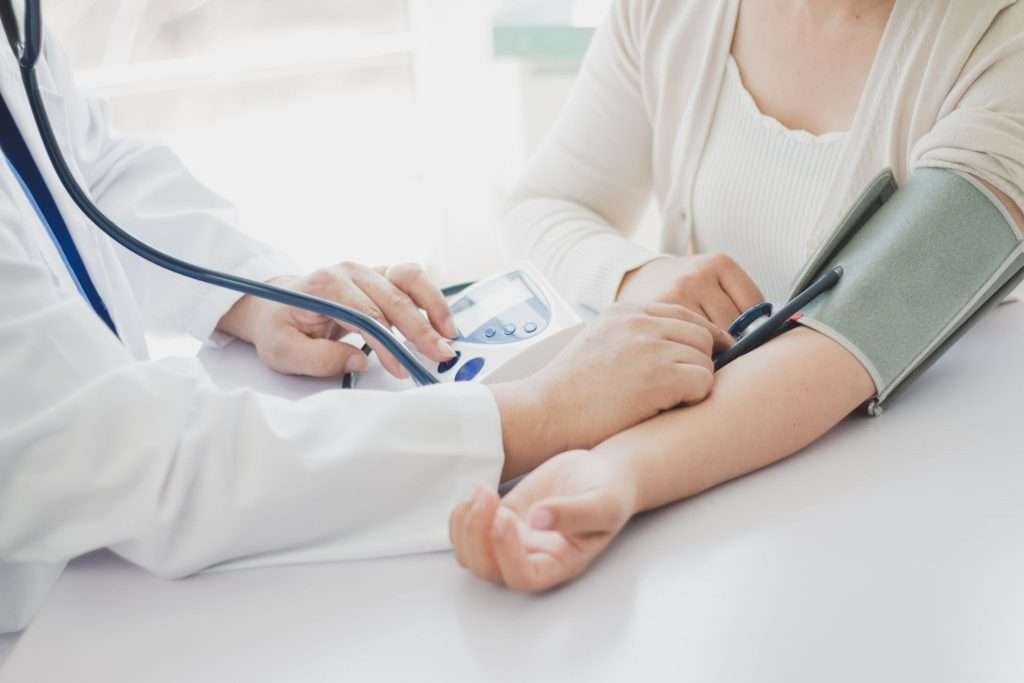
High blood pressure stealthily exerts its influence on numerous bodily systems with potentially devastating consequences. This condition can damage vital organs over time and exacerbate the risk of many chronic diseases. Understanding all the ways high blood pressure affects the body is crucial, especially for caregivers who play a pivotal role in managing their loved one’s health. Read on for key information.
Elevated blood pressure puts additional force against the arterial walls, which can cause the arteries to become less flexible, which can limit the flow of blood and oxygen to the heart. In turn, the heart must pump harder to circulate blood, which can lead to thickening of the heart muscle and eventual heart failure. This impairment of the arteries is one of the primary reasons high blood pressure needs immediate and proper attention.
The role of the kidneys in filtering excess fluid and waste from the blood is critical to maintaining a delicate balance in the body’s internal environment. High blood pressure can damage the blood vessels in and leading to the kidneys, reducing their ability to function effectively. Over time, this can escalate into kidney disease, a concern particularly daunting for caregivers who are then faced with the complexity of managing renal health complications in their care recipients. Keep in mind that the way kidney disease and high blood pressure are linked isn’t a one-way street; kidney disease can put patients at a higher risk of high blood pressure.
Hypertension can harm the blood vessels in the brain, leading to a reduced supply of blood that’s rich in oxygen and nutrients. Such a situation may contribute to a decline in cognitive function, manifesting as difficulties with memory, understanding, or judgment, which are particularly troublesome in an aging population.
The eyes, dense with tiny blood vessels, can suffer under hypertension. High blood pressure can strain the vessels in the eyes, leading to retinopathy, which can progress to blurred vision or even complete loss of sight. Caregivers of people with high blood pressure should carefully monitor their vision and schedule regular examinations to catch any potential issues early.
Caregivers must remain alert to all the ways high blood pressure affects the body to provide comprehensive care. By understanding this aspect of care, you can contribute to a better quality of life for the person you support.