


Dr. Eboni Green
May 2, 2021
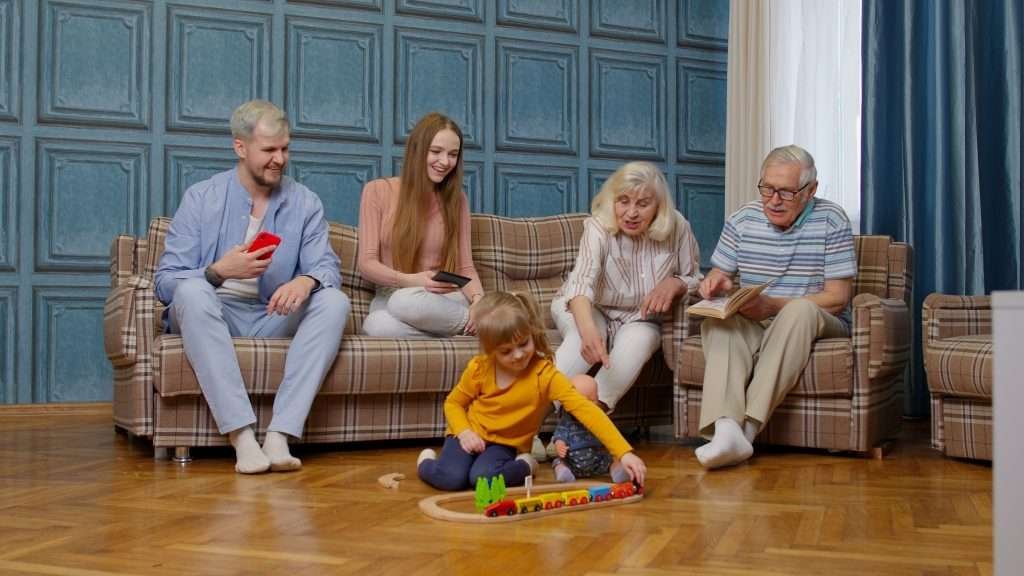
With advanced age comes peculiar challenges, and although most older people are capable of living independently most elders will require at least some assistance to maintain their quality of life. Many caregivers ask their loved one to relocate or move closer so they can provide this care personally. However, there are several accommodations that you should consider implementing as you care for your loved one.
Some elders are frail or have a diagnosis that impacts mobility. You will likely want to make home modifications so that your loved one is able to perform their activities of daily living (ADL’s) as independently as possible. Therefore, improving handicap accessibility at home should be a top priority. Taking measures to make it more comfortable for your loved one now will save time and reduce the stress of needing to perform tasks that could be handled independently.
You likely share a special bond with your loved one making the decision to become a caregiver complicated. It is, however, important not to overlooking the type of care your loved one needs. This means that it is important to understand both your loved one’s physical and mental condition. You also want to be knowledgeable about other potential illnesses that they are prone to because of chronic disease.
Such insight will enable you to adequately prepare for any eventualities and afford you the opportunity to put practical measures that will mitigate the effects of any sudden changes in your loved one’s physical or emotional condition. Referring to family history and records and consulting a doctor can help in the preparation process. Armed with such information, you can make sound decisions that will make caring for your loved one more comfortable.
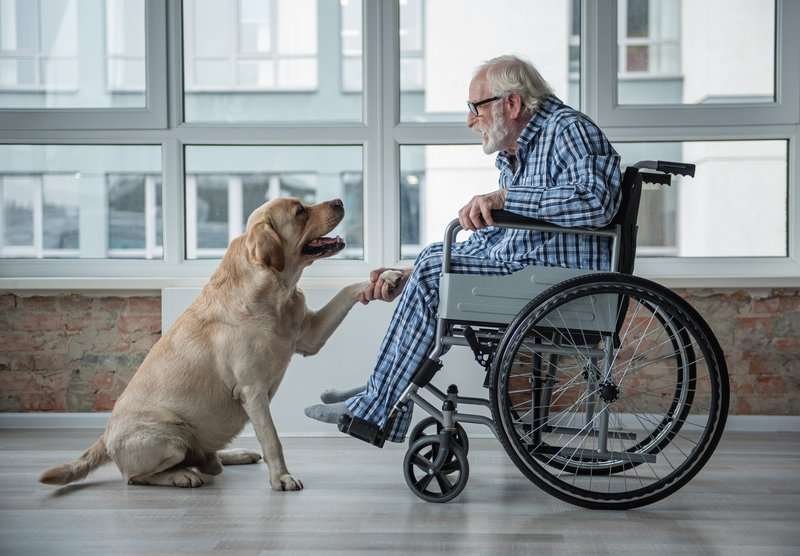
You will also need to know if you have enough space to accommodate your elderly relative. Do you have a spare bedroom that will suit their needs? If not, can you create such space for them? You should also consider the space that will be needed to keep supplies or equipment that are vital to meeting their care needs. Some things such as wheelchairs, walkers, oxygen tanks, and other medical equipment need to be safely stored. Does your bathroom have safe options for your loved one who is prone to slips and falls? Can you install a walk-in bathtub to prevent accidents?
Another consideration that has to do with space is the ability of your loved one to benefit from quiet time. Peace of mind is essential as it helps with recovery and clarity of thought. Can you provide adequate privacy for your family or your elderly loved one? If you need the services of a caregiver, is there a spare room they can sleep in overnight when the need arises? Your responses to these questions will help you determine if you have sufficient space.
Before you open your home to cater to an elder relative, you should know your capabilities. How willing are you to make finances adjustments to make things comfortable for your loved one? How much supervision or assistance can you provide? It would be best if you were realistic about what you can do and know that whatever help you can offer will most likely increase over time.
Once you have a clear understanding of your limits, you can start planning for care you cannot provide personally. Perhaps due to work constraints, you are unable to spend time with your loved one. Can you arrange a companion service or visits from other family members to decrease the time your loved one must spend alone? Or if they are incontinent, will you assist or do you plan to hire a personal caregiver? Matching your capabilities and the needs of your loved one will help you ensure that they are well taken care of even in your absence.
It may not look like much from the onset but living with an elder comes with nuances that can create stressful and result in frustration or anger. For this reason, you should think about things such as the level of noise in the house or even meal schedules that may cause discomfort for one party. Therefore, it is important to look for ways to find compromises that will keep everyone happy. Even after your loved one has moved into your home, you should keep an eye out for suppressed feelings, and as soon as you realize that there is an issue, work quickly to resolve it.

The personal relationship you have with your loved one may have some bearing on how well you will bond and the smoothness of the transition. Of course, you will not always agree on everything, but you can quickly resolve any issues that may arise if you have open communication with your loved one. If you both have fond memories, they can serve as a basis for conversation and for keeping the lines of communication open.
If you do not have a good personal relationship and are helping of obligation, you should find a civil way to work through past relationship issues so there is no ill-feeling. Ailments with an element of dementia such as Alzheimer’s are known to alter the personalities of individuals with the disease. So, if your relative experiences such a condition, you should be aware of sudden mood swings and proceed cautiously.
Many older adults do not want to be a burden. However, due to the lack of contact with their friends and colleagues, their social life suffers, and some elders end up feeling isolate. This is particularly challenging to resolve, especially if your loved one had to move a long distance to come to live with you. Sometimes, it takes a while to adjust to their new surroundings as well.
If you live alone or with a family that spends most of the day at work or school, it means that your loved one will be left by themselves for long periods during the day. While this may afford them some quiet time, which they may appreciate, if not managed well, this can trigger bouts of depression.
You may consider researching senior centers near you where your loved one can go and interact with people their age and be well-cared for to address the issue of isolation or loneliness. If a senior center is close by, this presents an opportunity for your loved one to make new friends and engage in activities that can improve their quality of life. You can also consider setting them up with social media to interact with their old friends from the comfort of your home.
Studies have proven that engaging in physical activity improves the mind and mobility of elders. If they have a hobby, try to make provisions so your loved one can engage in some type of activity. If not, try to find out what physical activities or hobbies might interest them so that you can make adequate preparations.
Watching someone you love, who is not in good health can be heart-breaking. However, if you intend to welcome them into your home to improve their quality of life, you should ensure that you make all these considerations before committing. Remember that decision to care for your loved one will not affect only you, but the entire family as well.