

Dr. Eboni Green
August 11, 2025
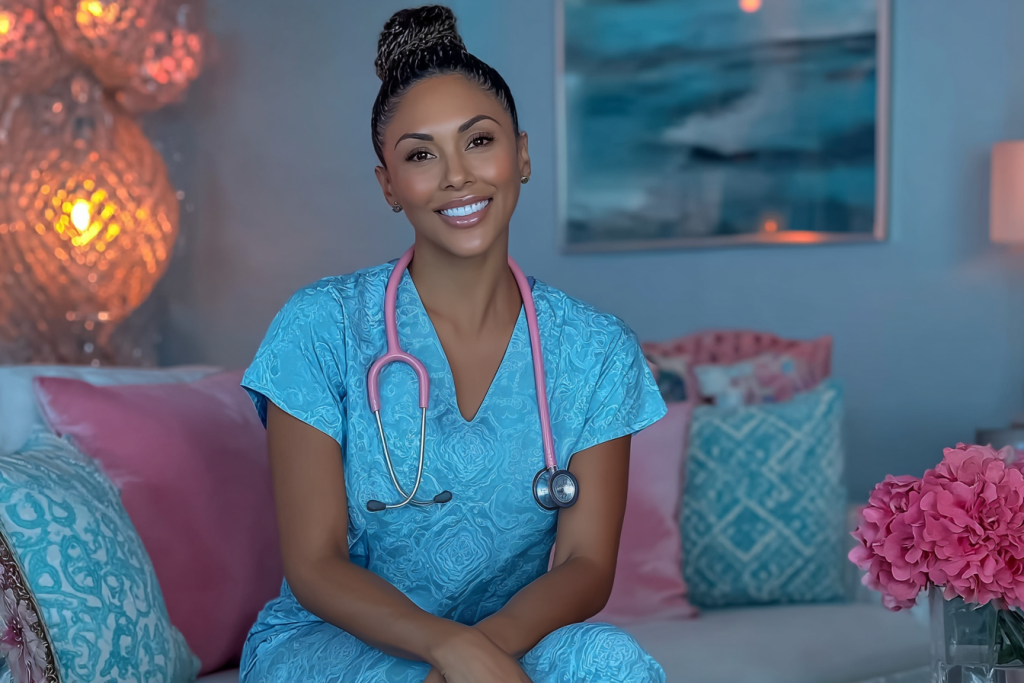
Caring for another family’s loved one requires a unique combination of skills, patience, and dedication. Understanding what makes a great caregiver for elders helps families make informed decisions about care options and empowers individuals to develop the qualities needed for this meaningful role. The best and most competent caregivers possess technical competencies and personal attributes that create safe, comfortable environments where loved ones can thrive.
Great caregivers demonstrate genuine compassion and empathy in their daily interactions. They understand that aging often brings physical limitations, cognitive changes, and emotional challenges that require patient, empathetic responses. Caregivers listen actively to concerns, validate feelings, and maintain dignity throughout all care activities.
Reliability stands as another cornerstone quality. Clients depend on consistent schedules for medications, meals, and appointments. Exceptional caregivers arrive punctually, follow through on commitments, and communicate proactively about changes.
Effective communication forms the foundation of quality care, and great caregivers speak clearly and patiently, allowing extra time for responses when needed. They use respectful language that acknowledges the elder’s autonomy and life experience rather than using condescending tones.
Active listening skills also help caregivers understand spoken and unspoken needs. They pay attention to changes in the client’s mood, appetite, or behavior that might indicate discomfort or health concerns.
Professional caregivers must possess specific technical competencies to provide safe, effective care. Knowledge of medication management, including timing, dosages, and potential side effects, ensures proper health maintenance of loved ones.
Basic health monitoring skills enable caregivers to recognize signs of illness or changes in the client’s condition. They should understand how to take vital signs, recognize symptoms of common conditions, and know when to seek medical attention. The importance of CPR and AED training for caregivers cannot be overstated, as these life-saving skills are invaluable in emergency situations where every second counts.
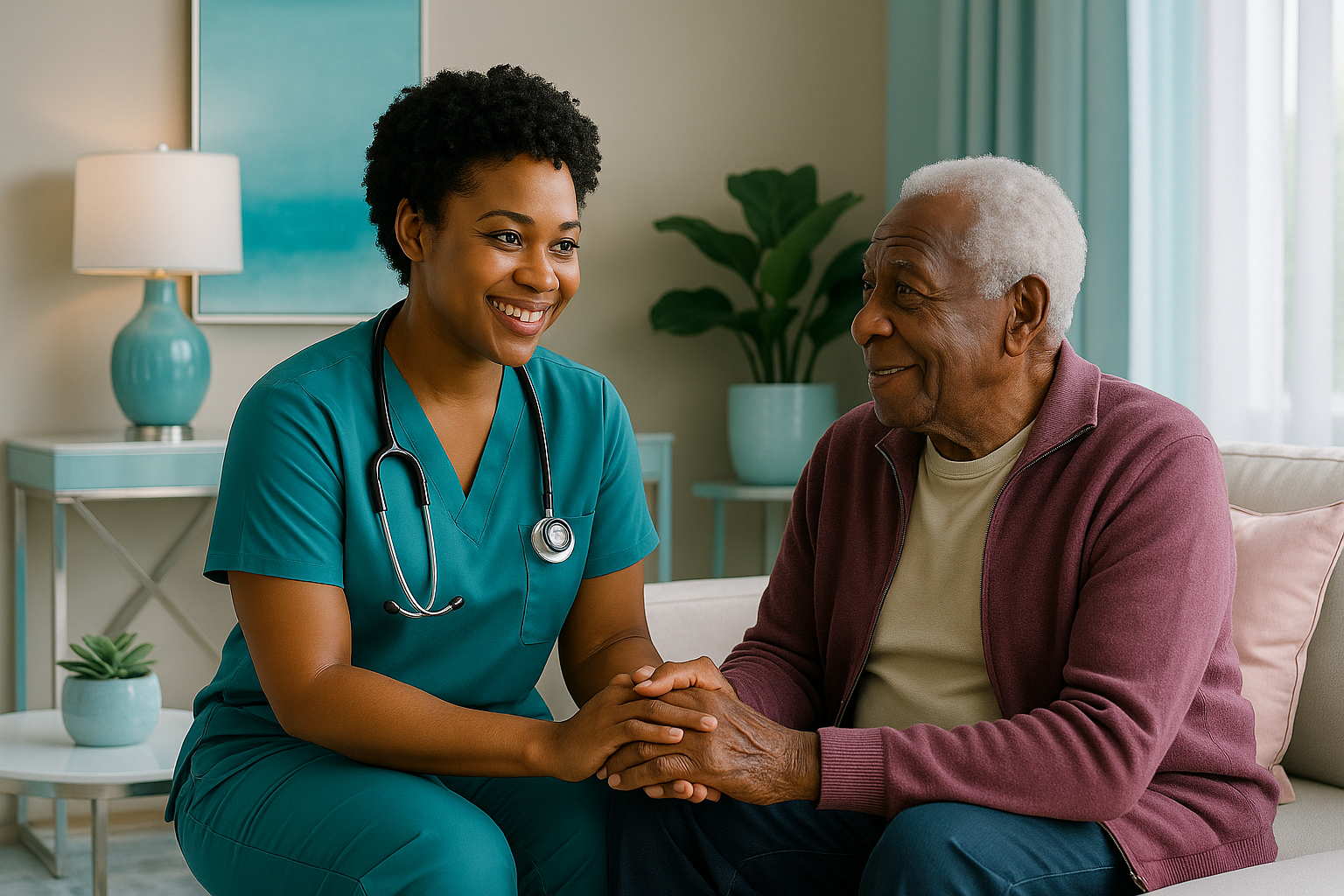
Exceptional caregivers invest time in building genuine relationships with their clients. They learn about personal histories, interests, and preferences to create engaging conversations and activities. This personal connection transforms routine care tasks into opportunities for social interaction and emotional support.
Respectful caregivers also honor the client’s independence and decision-making abilities whenever possible. They offer choices about daily activities, meal preferences, and care routines, maintaining dignity and control. This approach fosters cooperation and reduces resistance to necessary care.
Identifying what makes a great caregiver for elders empowers families to make informed decisions about care options and helps aspiring caregivers develop necessary skills. Whether you’re considering professional caregiving as a career or seeking care for a loved one, these qualities serve as important benchmarks for excellence. Take time to assess your own skills and interests if you’re considering caregiving or using this criterion to evaluate potential care providers.