


Dr. Eboni Green
May 28, 2021

Besides the coronavirus pandemic, there is another silent epidemic spread globally – nursing home abuse and neglect. In the United States, 1 in 10 Americans aged 60 years and above experience abuse.
Knowing the signs of nursing home abuse and neglect can significantly raise the chances of detecting and reporting. Read on and learn more about elder abuse and neglect, the obvious and subtle signs, and what you can do about suspected incidences. It will boost the health and safety of our senior loved ones.
According to the CDC, any person aged 60 years and over qualifies as an elder. Elder abuse is a deliberate act or failure to act by a trusted caregiver that causes or creates a risk of harm to a senior adult. It could entail physical pain and injury, unreasonable confinement, intimidation, deprivation of care or service, maltreatment, or mental torture. Abuse can take physical, emotional or psychological, sexual, or financial forms.
Neglect is the failure (could be intentional or not) to meet an older person’s basic needs. Or a failure to provide essential care and services to ensure a senior person lives free from harm, anguish, or anxiety.
In the recent past, elder abuse has been on the rise in America. According to a report on webmd.com, incidences among men jumped 75%, and among women, the growth was at 35%. The following forms of abuse and neglect were rampant in nursing homes:
Most of the cases of abuse and neglect go unnoticed. Researchers suggest that although as many as 1 in 10 elders undergo some form of abuse or neglect annually, only 1 in 24 cases are reported. To enhance the chances of detection and reporting, look out for these signs of nursing home abuse and neglect. It may save a loved one.
The elder could be fearful or hesitant to talk about these signs even when asked by a trusted loved one. But the signs of nursing home abuse and neglect are often subtle. You do not need the skills of Sherlock Holmes to know what is going on. These subtle signs can help you unearth what is going on.
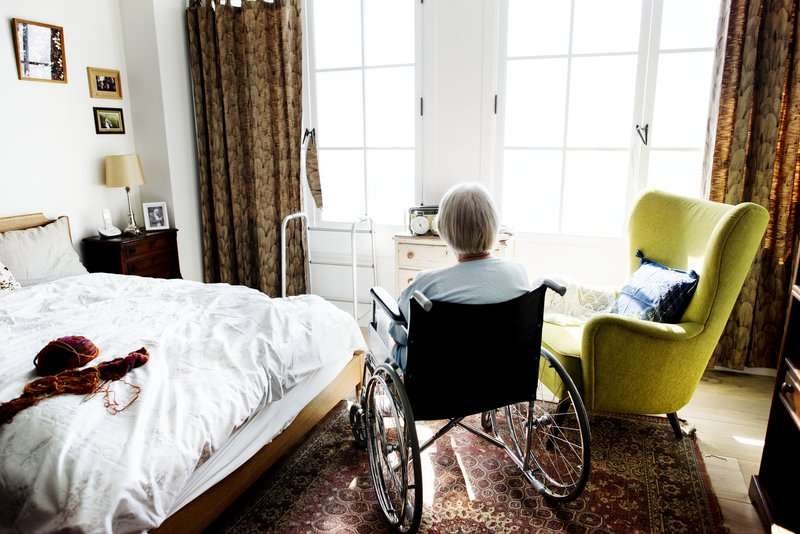
If you notice any of these red flags, you may be confused about what to do. You may confront the elder about the signs. But abuse and neglect in nursing homes are often accompanied by threats, intimidation, and psychological manipulation. An elder may be hesitant to talk about it, and in some cases, family members may also avoid reporting abuse.
A report by the Texas A & M Health Science Center revealed that many families were reluctant to report abuse and neglect because of the following reasons:
If you suspect abuse and neglect in a nursing home, do not succumb to these (or any) excuses. Nothing can justify the continued maltreatment of our elders.
First, notify the nursing home’s management about your concerns. Remember that displaying the signs of abuse and neglect does not always mean that it is taking place. Besides, cases of neglect are often due to staff burnout. The caregiver can take measures to reduce employee stress levels.
However, if the response is not satisfactory, you can escalate to a higher office. The Long Term Care Ombudsman, Social Services Department, and Adult Protective Services will take your complaint confidentially and investigate it. We suggest that you also reach out to a nursing home abuse lawyer to help you learn more about your rights and how to pursue the matter legally.
To conclude, elder abuse and neglect is a crime. It persists because people are blind to what is going on or know about it, and they fail to report it. Knowing the tell-tell signs of abuse and neglect in nursing homes will improve your chances of detecting, reporting, and curbing this crime. For help managing stress and anxiety in senior citizens, read more on the Bespoke Treatment blog.