

Dr. Eboni Green
July 7, 2026
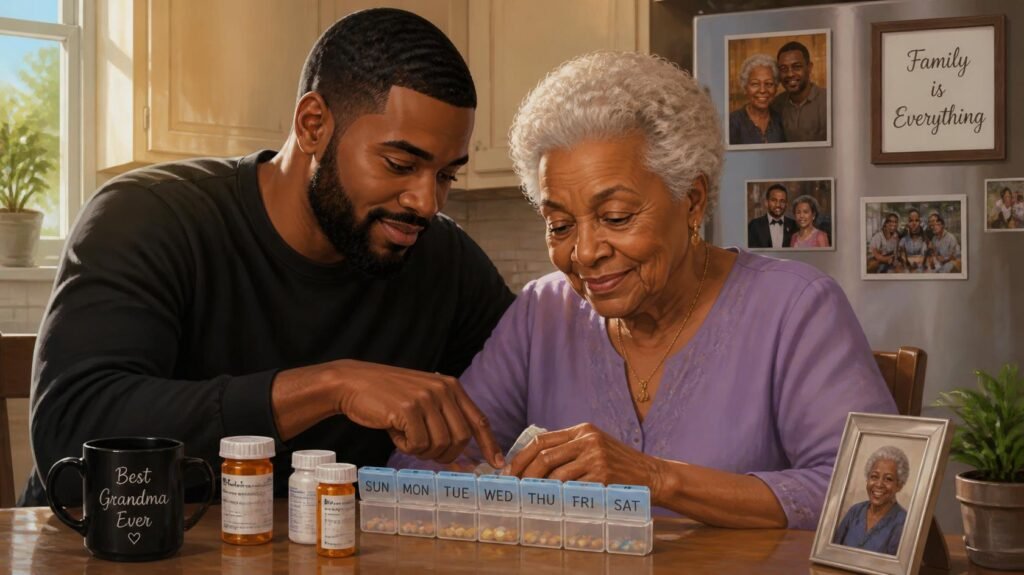
Caring for a loved one often includes helping with medication management every day. Even simple routines can become complicated when multiple prescriptions, changing dosages, or several healthcare providers enter the picture. Family caregiver responsibilities grow easier to manage when everyone understands how to organize medications safely and consistently.
A clear medication plan protects health while giving caregivers greater confidence. Take a closer look at what families should know about medication management to ensure their loved ones are well taken care of.
Medication management involves much more than remembering when someone should take a pill. Family caregiver teams need accurate records, clear communication, and regular reviews to reduce mistakes. Missed doses, duplicate medications, or incorrect timing can affect treatment and quality of life. Good organization helps loved ones receive the full benefit of their prescribed care.
Many clients manage several health conditions at the same time. Each new prescription increases the importance of careful tracking and coordination. Caregivers who stay informed can recognize potential concerns before they become larger problems. This proactive approach supports safer daily care.
Daily habits make medication management much easier for families. Choose consistent times that fit naturally into your loved one’s schedule instead of changing routines frequently. Pill organizers, medication charts, and reminder apps all reduce confusion while improving consistency.
Every caregiver involved should follow the same system. Keep medication lists updated after every doctor’s appointment or pharmacy visit. Share those updates with family members and healthcare professionals to avoid miscommunication. Consistency allows everyone to provide better support.

Caregivers spend more time with loved ones than most healthcare providers. That daily contact allows family caregiver teams to notice changes in mood, appetite, energy, sleep, or mobility. Recording these observations helps doctors evaluate whether medications continue working as intended.
Never ignore unexpected symptoms or unusual behavior. Contact a healthcare provider whenever side effects appear or existing symptoms worsen. Quick action can prevent small issues from becoming serious health concerns. Careful observation remains one of the most valuable caregiving skills.
Strong medication management starts with simple habits that support accuracy every day. Small improvements often reduce stress for caregivers and clients. Establishing reliable systems also creates confidence during medical appointments and emergencies.
Consider adding the following practices to your care routine:
These steps reduce confusion while making communication much easier. Organized records also help new caregivers step in when additional support becomes necessary.
Doctors, nurses, and pharmacists all contribute valuable expertise to medication management. Schedule regular medication reviews to confirm that every prescription remains appropriate for your loved one’s current health needs. Open communication can identify unnecessary medications and possible interactions before problems develop.
Many caregivers also benefit from learning about future trends in assisted living pharmacy services as healthcare continues evolving. New technologies, improved medication coordination, and personalized pharmacy support may simplify caregiving in the years ahead. Staying informed helps families make confident decisions as care needs change. Education remains one of the strongest tools available to every caregiver.
Review your current medication system this week and identify one area for improvement. Update medication records, schedule a medication review, or speak with your pharmacist about any concerns. Each step strengthens your caregiving approach while helping your loved one receive safer, more effective care.