


Dr. Eboni Green
June 22, 2026

Everyday life becomes difficult as people age. As someone who now cares for an aging parent, you’ve started to notice that some areas around the house aren’t safe or accessible. When you’re able to identify the spots that need improving, you can turn the home into a secure sanctuary.
Go about you and your parent’s typical routine. From the kitchen to the bathroom to the hallways, identify which areas seem unsafe. Then, note which areas would benefit from removing a rug or ledge to prevent trips and a mobility aid from catching. All of this information will guide you to the appropriate home improvements.
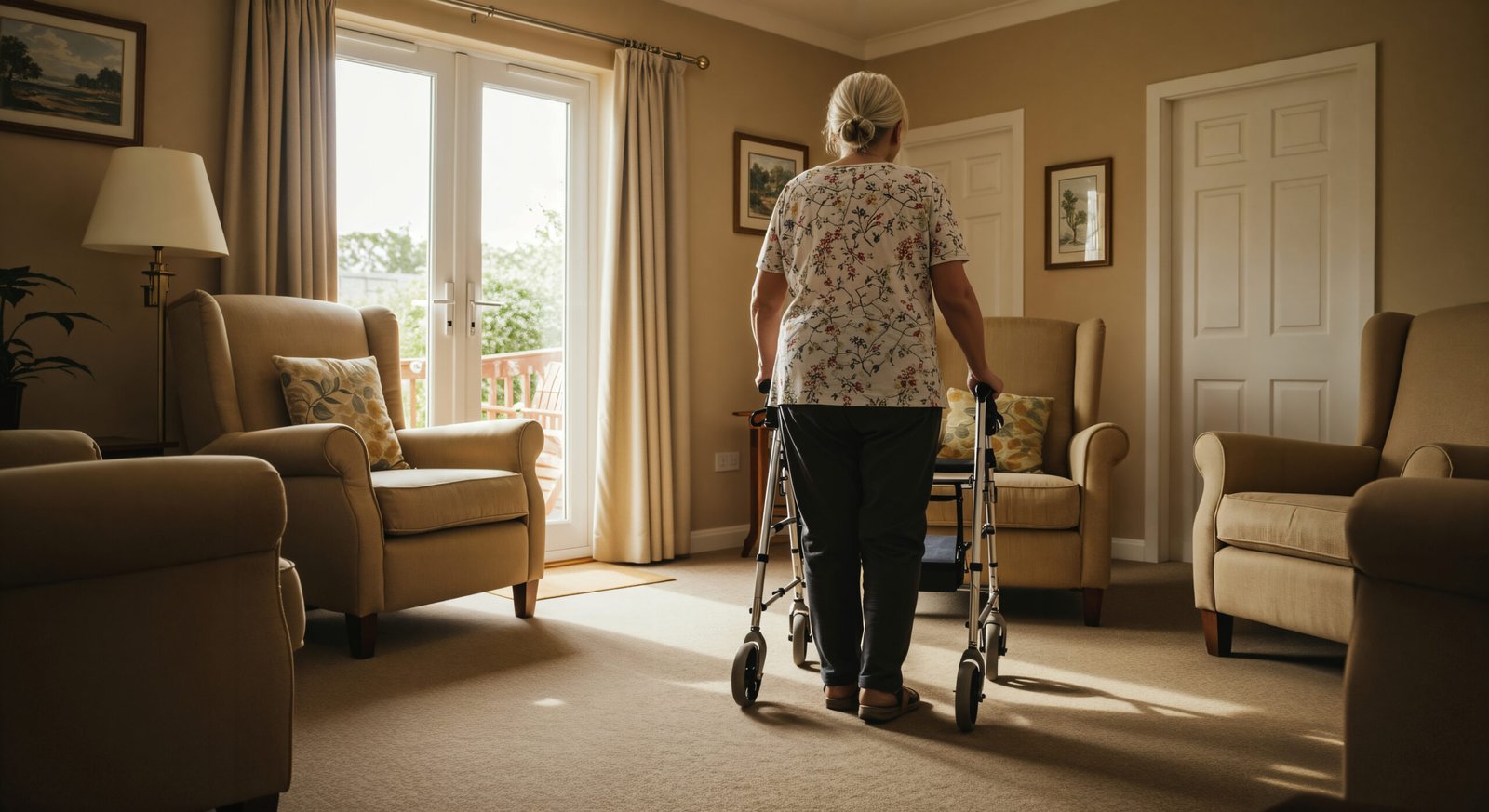
After reviewing each room, connect those spaces through clear walking routes. Wide paths reduce stress during busy mornings or late-night treatments.
Move baskets, shoes, cords, and small furniture away from walkways. Keep the route simple enough to navigate during fatigue. A loved one who uses a cane, walker, or wheelchair will benefit from the extra floor space.
Once walking routes are clear, review where the elder reaches for support. Stairs, hallways, porches, and bathroom entries deserve close attention. A stable handhold protects balance during moments when a caregiver cannot stand nearby.
Test each handhold with firm pressure. Loose rails, slick surfaces, or awkward angles deserve prompt repair. Support should feel steady each time the loved one places weight on it.
When prioritizing accessibility, choosing between curved and straight handrails is an important consideration. Straight handrails are typically the favored choice because they offer a consistent grip from one point to the next. Curved rails may suit decorative spaces, yet reliable support should guide your decision.
After evaluating the handholds, take a close look at how the bathroom currently functions. Is the shower or bathtub easy to access? Does the flooring provide ample traction underfoot?
A good starting point is to install grab bars near the toilet and bathing area. While you may assist your parent with using the bathroom, grab bars offer additional support.
Flooring should support safe movement from the doorway to the bathing area. Choose a nonslip surface or a secure bath mat near the shower or bathtub entrance. Then, review whether your parent can step in with a steady footing. In many cases, a curbless shower is helpful for people who use mobility aids. You can help them into the shower without stepping up, and they can sit on a shower chair to bathe comfortably.
Acting as a caregiver for a loved one takes time to adjust. Over time, you’ll learn which habits and household improvements work the best for your routine. Implementing these safe and accessible features will help your aging parent feel safe while aiding you in the caregiving responsibility.