


Dr. Eboni Green
May 4, 2024
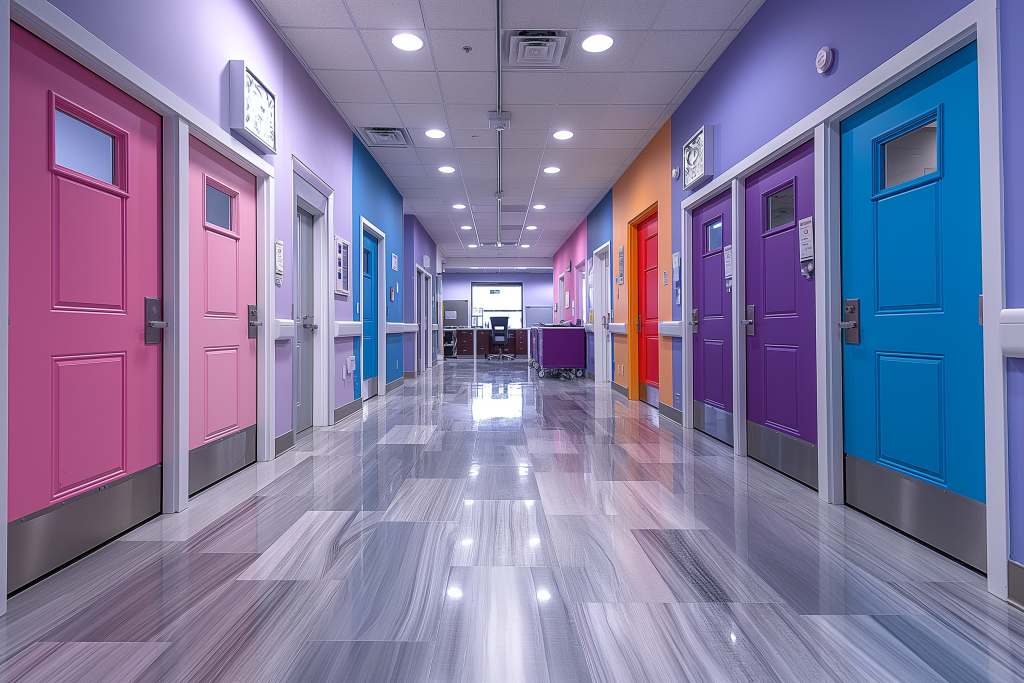
Today’s hospitals are meticulously designed for health and safety, the result of a complex, rigorous system in place to ensure they meet strict standards of cleanliness. It’s a system that not only protects but also breeds confidence in those who seek medical attention and those who provide it. Appreciating pristine, top-level care is only possible when we understand how hard hospitals work to create such a clean environment.
In healthcare, cleanliness is a vital component of patient safety and recovery. A spotless environment helps prevent the spread of infections, upholds the hospital’s professional image, and instills trust in patients. However, creating and sustaining a clean environment in a hospital is not a one-off task. It’s a continuous process that requires buy-in and execution at every level.
In modern hospitals, technology is a key factor in the fight against infection. From advanced cleaning equipment to digital monitoring systems, these innovations play a significant role in maintaining cleanliness. Teaching the science behind sterility testing for medical devices is a great way to give patients peace of mind when it comes to their personal health. These technologies not only enhance the efficacy of cleaning but also increase the speed of the process, allowing for more frequent and thorough sanitation routines.
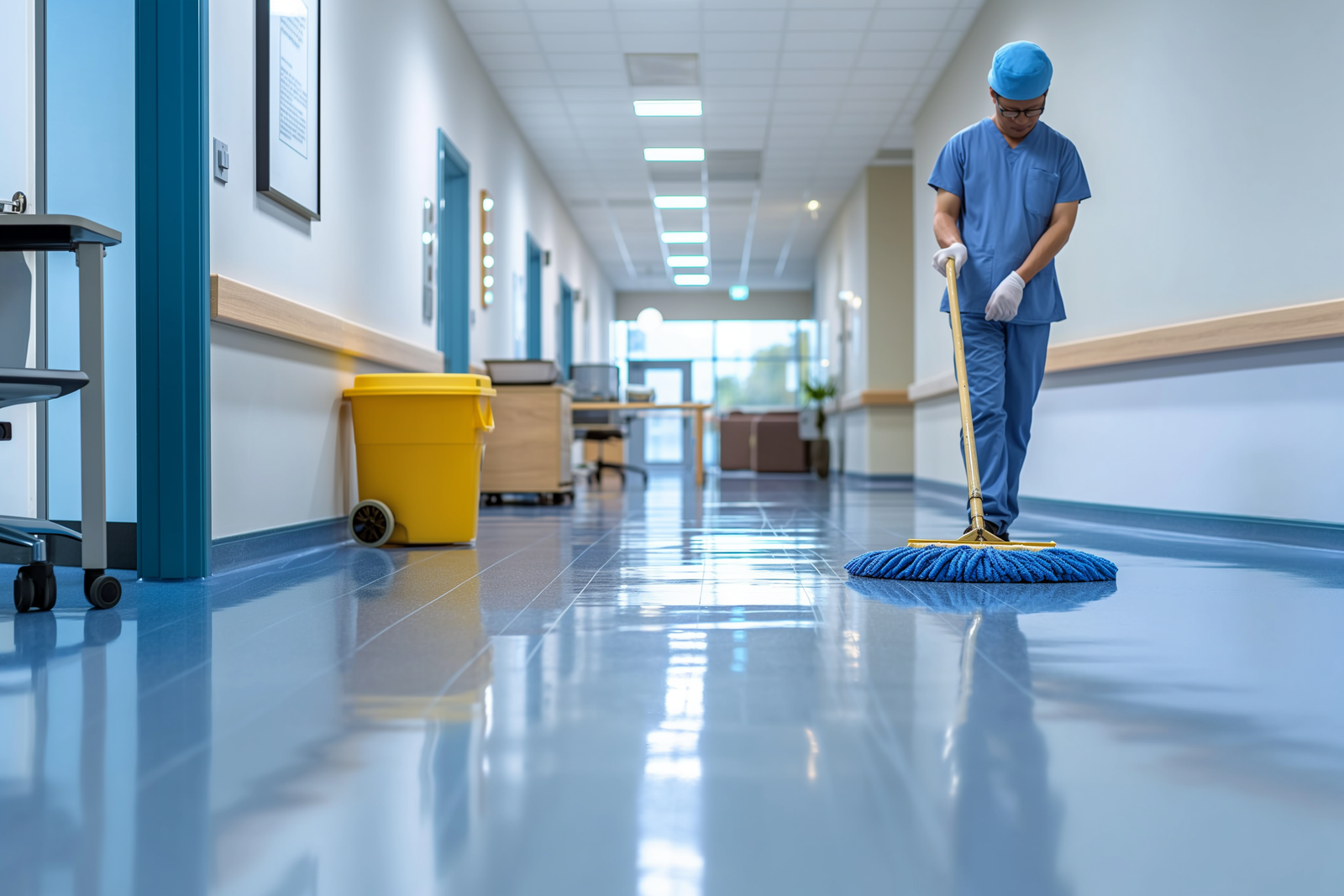
Despite the allure of cutting-edge tech, human employees are still irreplaceable when it comes to maintaining hospital cleanliness. The dedication and diligence of the cleaning staff are necessary to carry out tasks properly and operate the sophisticated equipment. Hospital administrators must recognize the value of these individuals and invest in their training and well-being, as they are the foundation for creating good hospital hygiene. Training should be an ongoing effort to ensure all staff members are up to date with the latest protocols and best practices.
Maintaining hospital cleanliness requires collaboration and communication across all departments. Open lines of communication ensure that everyone is on the same page and able to quickly address any issues that may compromise the hospital’s standards. Encouraging staff to report potential problems and recognizing their contributions to the hospital’s cleanliness fosters a culture where everyone plays a part. This process of continual improvement is what ensures that hospital cleanliness is not just a goal but a reality.
The quest for hospital cleanliness is an ongoing and evolving one. As patient needs change and new pathogens emerge, hospitals must adapt to meet these challenges. Whether it’s preparing for a flu pandemic or integrating new cleaning technologies, forward-thinking institutions will maintain the highest cleanliness standards.
The cleanliness of a hospital is the result of careful planning, diligent execution, and a commitment to excellence by every member of the hospital community. This commitment to cleanliness is what turns a hospital into a place of healing and safety, where patients can be confident that they are in good hands. By understanding the ins and outs of how hospitals create a clean environment, we can all appreciate the effort that goes into the care we rely on.