


Dr. Eboni Green
March 4, 2026
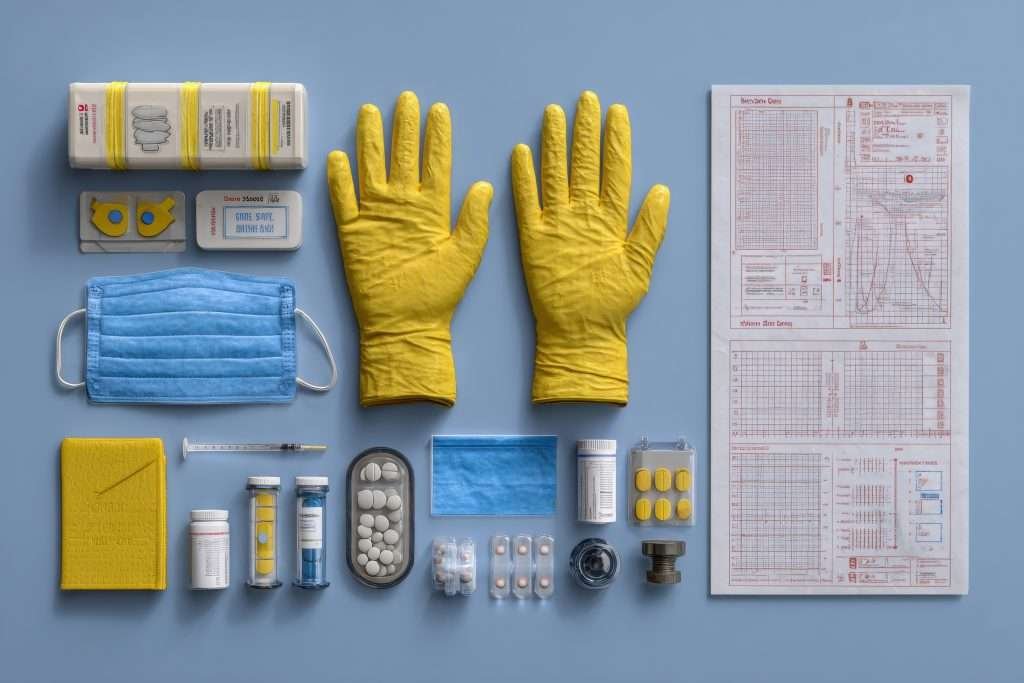
Being prepared is one of the most powerful ways a caregiver can reduce stress and improve outcomes for a loved one or client. Whether supporting an elder at home, assisting a veteran, or caring for a child with special needs, having the right medical supplies for caregivers within reach makes daily care safer and more efficient. Use this checklist to review what you already have—and identify what may be missing.
Fever can signal infection, dehydration, or other complications. A reliable digital thermometer allows a caregiver to monitor changes quickly and accurately. Keep spare batteries on hand and clean the device between uses.
Action step: Store it in a clearly labeled container in an easy-to-access location.
Many elders and adults with chronic conditions require routine blood pressure monitoring. An automatic upper-arm cuff is generally easier to use and more consistent than wrist models.
Action step: Record readings in a notebook or digital log to track patterns and share with health care providers.
Infection prevention is a core responsibility in caregiving. Gloves protect both the caregiver and the person receiving care during wound care, hygiene assistance, or medication handling.
Action step: Keep gloves in multiple areas of the home—bathroom, bedside, and medical kit.
Minor cuts, pressure sores, and skin tears are common in-home caregiving, especially when supporting an elder or someone with limited mobility. Keeping sterile gauze pads, medical tape, adhesive bandages, and an appropriate antiseptic solution in one dedicated kit allows a caregiver to respond quickly and calmly.
Precision tools also matter, and there are important differences between forceps and tweezers, particularly when removing debris or handling sterile materials. Using the right tool improves control and reduces the risk of further irritation or infection. Store all wound care items together in a portable container, so they are easy to access during daily care or unexpected situations.
Action step: Assemble these items into a portable wound care kit rather than storing them separately.
Missed or duplicated medications can create serious health risks. Weekly pill organizers help caregivers safely manage multiple prescriptions.
Action step: Refill organizers on the same day each week and double-check labels.
Mobility challenges can increase the risk of falls and strain for both the caregiver and the loved one or client. Having the right support tools readily available can make daily routines safer and more comfortable. Depending on individual needs, this may include a transfer belt to assist with steady movement, non-slip socks to reduce fall risk, and properly prescribed braces or splints to support joints.
Ice packs and heating pads can also help manage inflammation or muscle discomfort after activity. Take time each month to inspect these items for wear, damage, or reduced effectiveness, and replace them as needed to maintain safety and reliability.
Action step: Inspect mobility tools monthly for wear or damage.
Caregiving often involves responding to the unexpected. Having essential medical supplies for caregivers ready before a situation escalates improves confidence and safety. Set aside 20 minutes this week to review your current supplies.
Small organizational steps today can prevent urgent challenges tomorrow. Prepared caregivers become empowered caregivers—and preparation is one of the simplest ways to strengthen the care you provide.