
Dr. Eboni Green
March 12, 2018
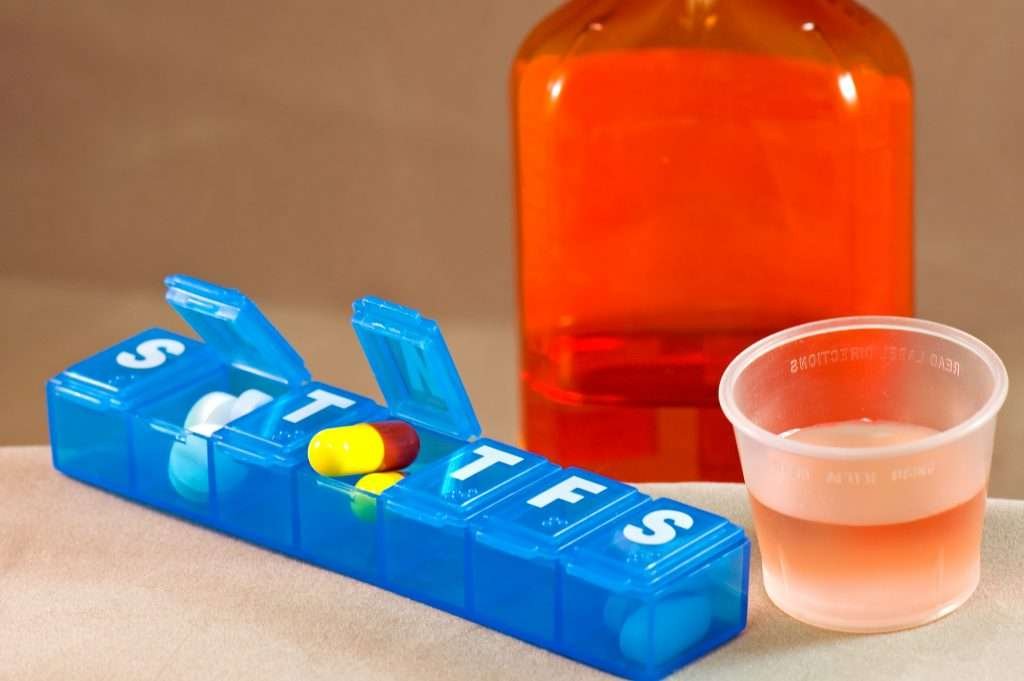
A few years ago, my father-in-law experienced a major medical crisis and as a result he was hospitalized. He was in intensive care for a time but eventually gained enough strength so that he was able to return home. I remember being called over to his home after he was discharged from the hospital so that I could help him settle in and organize his medications for his full-time caregiver. I sat down with the long list of medications and focused on the task of setting up his pill cassette. There were more than twenty medications, each needing to be administered at varied times throughout the day. Setting up his medications was an overwhelming experience even with my nursing background and comfort with all things medical. I cannot imagine how a family caregiver without professional medical training might fare in a similar situation.
Medication management is a task frequently undertaken by family caregivers. In fact, according to the National Alliance for Caregiving and AARP study Caregiving in the US 2015 more than 6 in 10 caregivers assist a loved one with managing their medications. However, most caregivers do not feel that they are properly prepared to safely manage the medications a loved one is taking. This lack of understanding is a major source of dis-stress as having inadequate knowledge about the actions and possible side effects of medications and the symptoms associated of possible drug interactions can directly impact a loved one’s quality of life.
As a caregiver, you must often act as the gatekeeper for the medications of a loved one. Although, you may not be a medical expert, it is important to take note of medications prescribed to a loved one. The following are five tips that you may find helpful as you assist your loved one manage his or her medications.
Schedule a pharmacy consult. As a caregiver it is important that you rely on trusted partners to help manage the challenges your loved one may have with medications. Whether you need assistance with understanding new medications and possible side effects, need help with setting up refills for all prescriptions on the same day each month, setting up delivery, or assisting with reminders for your loved one to take their medications scheduling a pharmacy consult can be of great benefit. During a pharmacy consult the pharmacist can go over each medication and help you understand the actions and possible side effects of each medication. The pharmacist can also assist with contacting the doctor so that they can work together to discontinue ineffective medications and also help you to streamline your loved one’s prescriptions so that they are all dispensed at one pharmacy. Consults can be performed via phone or in person. It is best to contact the pharmacist directly to set up a consult for your loved one.
Schedule a wellness visit with your loved one’s pharmacist. A Wellness Prescription visit is like an annual physical. During a wellness visit the pharmacist will perform a medication reconciliation and review to make sure that your loved one is adhering to his or her drug regimen and experiencing positive results. The visit also includes a cost saving analysis, an insurance formulary check, prior authorization assistance with your insurance company and Pharmacogenetic counseling. As you can see it makes sense to schedule a ‘checkup’ for the medications your loved one takes at least once a year. More than one visit may be necessary if you feel your loved one is not getting the desired results or is suffering from side effects from his or her drug regimen.
Seek out pharmacogenetics testing. The average adult over the age of 65 takes seven or more prescription medications. And while most medications are perfectly safe, from time to time you or your loved one may take a medication or a combination of medications that don’t suit your body. As a result, you may end up experiencing an adverse reaction. Pharmacogenomics is the science behind how your genetic makeup impacts the way you metabolize a particular drug. The PGx test will show what drugs work best for your loved one but more importantly, what drugs will not work and should be avoided. This test is ordered by your loved one’s primary physician and will assist in the right drug being prescribed at the right dose for your loved one from the beginning decreasing the chances he or she will experience an adverse drug reaction.
Maintain a list of prescribed and over-the-counter medications. As a caregiver you are often acting as the gatekeeper for the medications of a loved one. Keeping a running tab on medications will aid in maintaining continuity. One tip that may assist in keeping track of medications is to list the medications. It may also be useful to take that list along each time your loved one has a doctor’s appointment. The key is to keep track of all medications a loved one takes, in addition to keeping the doctor and pharmacist informed.
Medication management can be one of the more complex, yet impactful aspects of caring for a loved one. Pharmacists have long been considered a trusted health care resource. Reaching out to a pharmacist or your loved one’s primary physician is vitally important to successful medication management.
Register for Caregiver Support Services: Understanding Medications Caregiver Training. The purpose of the course is to provide family and frontline caregivers with information to safely manage medications a loved one or client is taking. Keep the level of care that you provide at a consistently excellent level, by enrolling in Caregiver Support Services- Understanding Medications course today!
Do you have any best practices that you might share regarding proper management of prescription medications?