


Dr. Eboni Green
April 21, 2022

You have been occupied all day assisting your loved one with doctor appointments, therapies, housework, and paperwork, among other things. So, when do you get the opportunity to exercise?
When caregiving leaves you with little time for anything but the bare necessities, it may be difficult to care for your needs. However, if you do not take care of yourself, you will not be able to provide excellent care for your loved one or client.
Exercise helps to keep stress under control, provides more energy, aids in better sleep, and improves your mood and overall health. And that is in addition to the physical advantages of exercising. Cardiovascular exercise, weight training, and stretching will all be required. In addition to incorporating innovative approaches to your workout plan.
Even though joining Fitness 19 may be appealing, it may not be feasible if you have to spend valuable time preparing for the trip, getting to and from the gym, and organizing alternate care for your loved one while you are exercising.
In lieu of this, you might go for something as basic as taking a quick stroll around the block. Caregivers are frequently overburdened by the demands of their jobs, and just walking for exercise may be the most they can do. It is a wonderful release and an excellent opportunity to spend time alone, rejuvenate, relax, and collect your thoughts. Researchers suggest walking daily is to be one of the most effective things you can do to enhance your physical and mental health.
Another alternative is to do exercises at home with fitness via streaming services online. The possibility exists that your loved one will be able to sit on the sofa and watch you work out, or you may attempt to plan your video around nap time, or when your loved one or client is otherwise occupied. If a loved one or client requires your urgent attention, you can simply pause a video and resume it later.
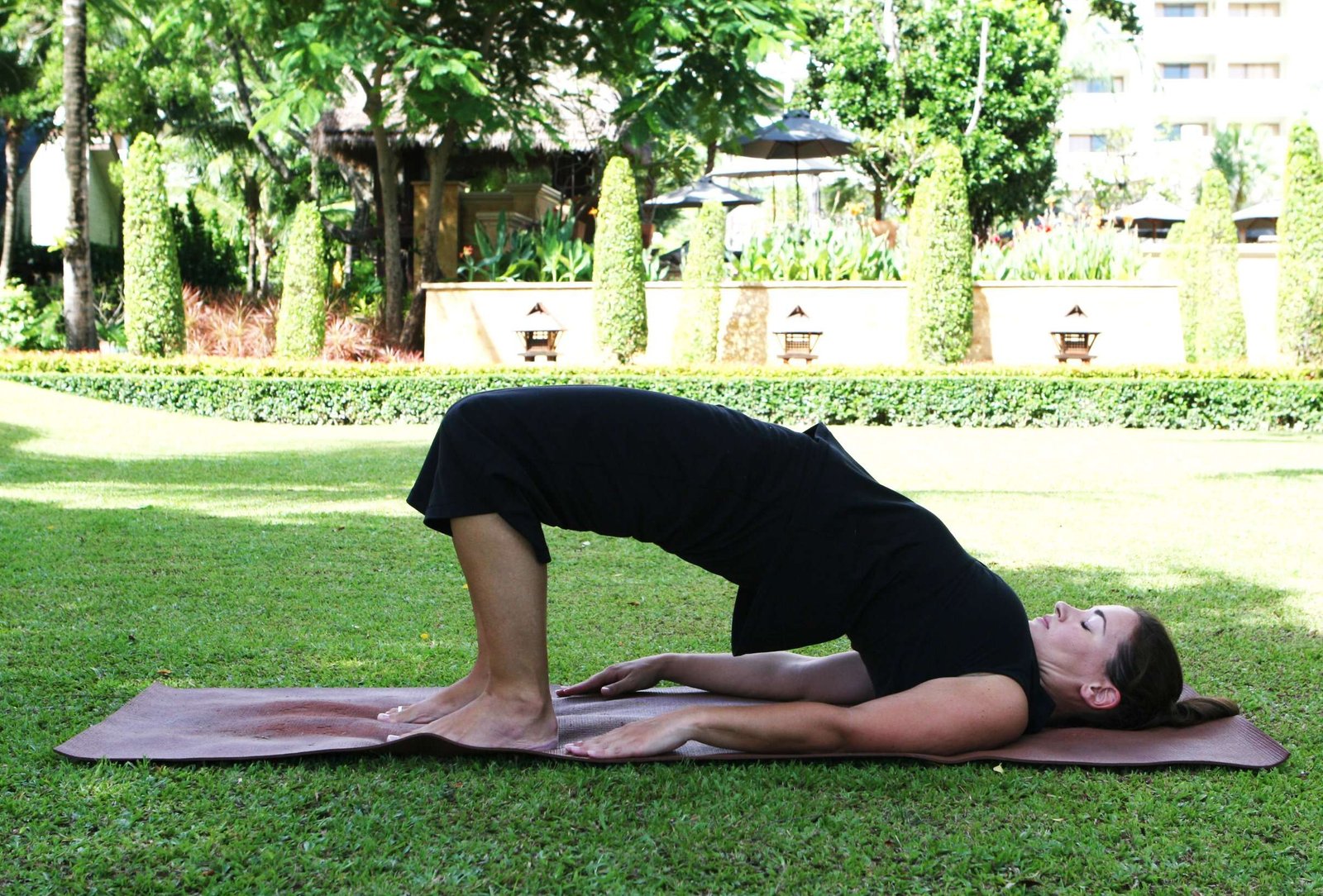
The recommendation for adequate exercise is not the same for everyone. However, for most the goal is to get at least 30 to 40 minutes of moderately vigorous activity at least three times each week.
For optimal results, you should engage in continuous activity for 30 minutes or longer. Making time to exercise may not be an option unless you have backup assistance. If you get some activity in “here and there” during the day, that is OK. According to research, even brief bursts of physical exercise are healthy. Parking the car, a little further away from the grocery store will allow you to get in some extra steps, as will using the stairs rather than the elevator. As you begin to see and feel the advantages of exercise, gradually increase the amount of time you spend exercising.
Choose a destination and set a deadline for yourself to arrive there. Change your location and journey on a regular basis to keep yourself from becoming bored and to push your body.
Make a list of your objectives and make a commitment to them. Using an electronic or manual pace counter might assist you in keeping track of your progress and remaining motivated. Exercise may become a pleasant and exciting task when you are competing against yourself or a pal.