


Dr. Eboni Green
May 24, 2025
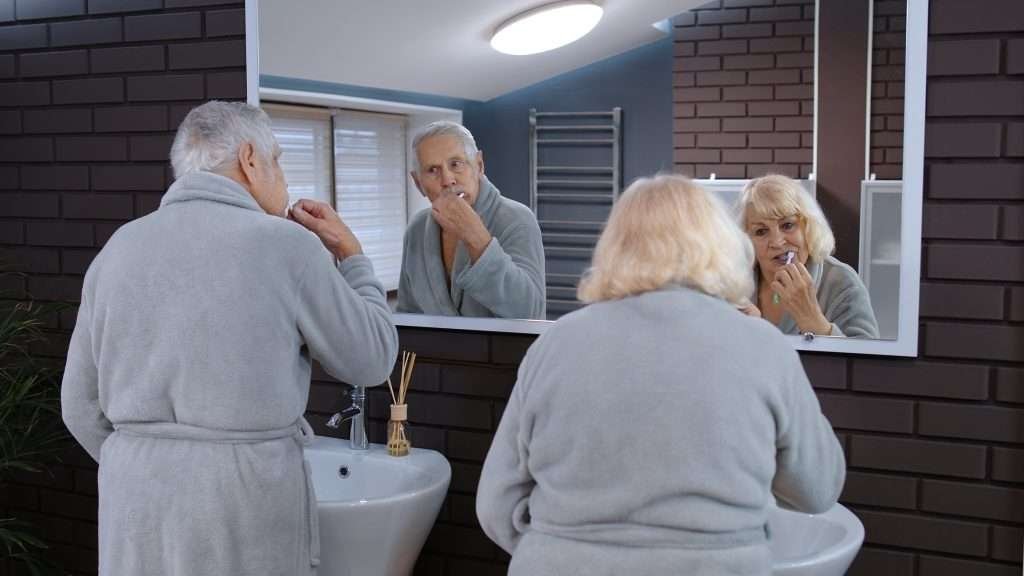
Caring for an aging loved one means watching over every little detail of their well-being, and that includes what’s going on inside their mouth. Oral health often slips down the priority list, especially when there are bigger medical issues at play. But neglecting teeth and gums can spiral into bigger problems—pain, infections, and even complications with chronic illnesses. If you’re a caregiver, understanding how to weave oral care into the daily routine can make a huge difference in your loved one’s overall quality of life.
Before you even pick up a toothbrush, it helps to simply talk about oral health with the person you’re caring for. Many older adults grew up in a time when dental care was either out of reach or only addressed when something went wrong. Bringing it up gently and with empathy can reduce defensiveness and shame. Ask how their mouth feels, if they’re experiencing any soreness or dry mouth, and if they feel okay with you helping—it’s about collaboration, not control.
Building a consistent oral hygiene schedule doesn’t have to be a production. Morning and evening brushing can become part of an existing rhythm—right after coffee or before bedtime medications, for example. If the person you’re caring for has cognitive challenges like dementia, keeping the routine predictable can create a sense of safety. You’re not reinventing the wheel, you’re just attaching a small, meaningful habit to what’s already happening every day.
Standard toothbrushes and floss don’t work for everyone, and that’s okay. There are angled brushes for limited dexterity, mouth props for those who have trouble holding their mouth open, and even electric toothbrushes with larger handles that are easier to grip. If dentures are involved, make sure you’ve got a good soft-bristled brush just for them and a container for soaking overnight. Finding tools that match the person’s physical and cognitive abilities turns brushing from a battle into something far more manageable.
Getting an older adult to a dental office isn’t always straightforward, especially if mobility or anxiety is in the mix. Call the dentist ahead of time and explain the situation—many offices have protocols for older patients with special needs. If transportation is tough, look into mobile dental services or see if any home health providers in your area partner with dental professionals. And don’t be shy about attending the appointment with your loved one—you’ll pick up tips and hear feedback straight from the source.
Staying on top of dental records can get overwhelming fast, especially when you’re managing care for someone else. Digitizing everything—treatment notes, appointment summaries, and insurance papers—keeps you from scrambling through stacks of paper when time is tight. With a mobile scanning app, you can use your phone’s camera to snap clean images of any document and turn them into PDFs in seconds. To make sure your scans come out sharp and readable, follow the best practices to scan a document, like laying it flat on a well-lit surface and keeping the frame steady.
Medications can wreak havoc on oral health in sneaky ways. Dry mouth, one of the most common side effects of many prescriptions, sets the stage for decay and gum problems. You can counter this by encouraging more water intake, using sugar-free lozenges or sprays designed to boost saliva, and skipping alcohol-based mouthwashes. Keep a medication list handy when talking with the dentist; they might be able to offer more tailored suggestions for side effects you’re seeing at home.
Soft foods are often a go-to for older adults, but they can come at a cost if those foods are sugary or sticky. Instead of reaching for cookies or white bread, try soft fruits, scrambled eggs, or blended veggie soups that nourish without sticking to teeth. If chewing is a problem, it could point to underlying dental pain or denture fit issues—things you don’t want to leave unchecked. You’re not only feeding their body, you’re also protecting their mouth with every bite.
Oral hygiene is deeply personal, and for some older adults, needing help with brushing or denture cleaning can feel humiliating. Be patient, offer choices when you can, and use respectful language. Instead of “Let me brush your teeth,” try “Can I help you get your mouth feeling clean?” That small change in phrasing can reduce tension and allow the person to feel more in control. You’re not just brushing teeth—you’re upholding someone’s dignity.
At the end of the day, you’re not just managing someone else’s oral care—you’re their voice when they can’t always speak for themselves. That means following up when something looks off, staying on top of appointments, and asking questions when the dentist gives advice that doesn’t seem to fit. It also means pushing gently but persistently when you know that a small issue could grow into a painful one. Advocacy isn’t about being pushy; it’s about being present and prepared.
Helping an older adult with oral care might seem like one more task on an already heavy list, but it’s one of those things that truly pays off over time. A clean, pain-free mouth improves how someone eats, talks, and interacts with the world. When you, as a caregiver, commit to understanding their specific challenges and tailoring care around them, you’re doing far more than just hygiene—you’re safeguarding comfort and confidence. This is about more than teeth. It’s about showing up with empathy, every single day.
Discover the support and resources you need to excel in caregiving at Caregiver Support Services. Elevate your skills and join a community dedicated to compassionate care today!