
Dr. Eboni Green
November 28, 2026
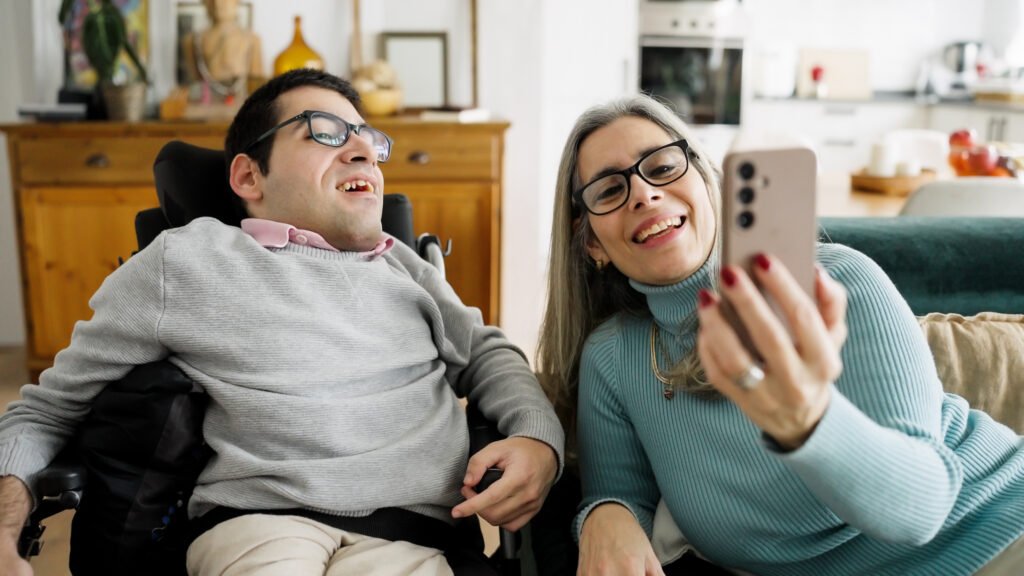
Family caregivers often discover that the moments they most want to remember are the ones they never thought to record. A familiar laugh, an unexpected story, or a quiet afternoon together can become especially precious when a loved one experiences cognitive decline or terminal illness. Yet preserving these memories doesn’t require an elaborate project. Small, thoughtful efforts can create lasting connections between generations.
A few simple approaches can make memory preservation more manageable:
Memory-keeping frequently falls behind more immediate responsibilities. Between medical appointments, household tasks, and emotional exhaustion, even meaningful projects can feel like additional work.
Some caregivers assume they’ll organize family photographs or collect stories once their responsibilities become lighter. Others simply don’t know which memories deserve attention.
Unfortunately, opportunities can change quickly. A loved one’s ability to recall details, recognize photographs, or participate in conversations may diminish. Starting with one small activity today can preserve something that might otherwise disappear.
Creating a meaningful family collection begins with manageable activities rather than ambitious plans.
Try these approaches during moments when your loved one feels comfortable and engaged:
Follow your loved one’s energy and preferences. Sometimes listening without recording is the more meaningful choice.
Not every treasured memory comes from looking backward. Caregivers can create new experiences through small rituals that make time together feel familiar and comforting.
Reading a favorite poem each morning, listening to music after lunch, or watching birds outside the window can establish meaningful routines.
For someone experiencing cognitive changes, familiar activities may offer connection without requiring detailed recollection. For caregivers, these shared experiences can become memories of their own, associated with companionship rather than illness alone.
A photograph from decades ago might capture a childhood home, a wedding celebration, or a smile that relatives still recognize. Revisiting these pictures together offers opportunities for connection, even when recalling specific details becomes difficult. Caregivers can also utilize an easy-to-use image to video generator to transform a treasured photograph into a short animated scene within minutes. Gentle movement can give a familiar image a different emotional dimension, creating something relatives can share and revisit. Because generated movement is an artistic interpretation rather than actual historical footage, families should preserve the original photograph alongside the new creation. The result offers another way to celebrate the people and experiences represented in a family’s photographic history.
The best preservation method depends on your loved one’s abilities, available time, and how relatives hope to revisit the memories.
| Memory Format | What It Preserves | Best Use |
| Audio recordings | Voice, laughter, personal stories | Short conversations |
| Labeled photo albums | Names, relationships, family history | Organizing older pictures |
| Memory journals | Daily observations and reflections | Capturing ordinary experiences |
| Short videos | Expressions, movement, shared activities | Revisiting family moments |
Combining formats can make a collection richer without requiring every memory to be documented in multiple ways.

Preserved memories can offer comfort long after caregiving responsibilities end. Grandchildren may discover stories they never heard, while siblings might reconnect through shared experiences.
For those grieving, familiar voices and images may provide reassurance, although revisiting them can also bring sadness. Over time, these keepsakes help preserve a fuller picture of a loved one’s life beyond the period of illness.
Before investing in a preservation service or digital platform, caregivers should consider practical questions about accessibility, cost, and long-term ownership.
Professional services can help digitize photographs, organize recordings, or assemble family keepsakes. They’re worth considering when time is limited or materials need specialized handling. Request examples, clear pricing, and information about how originals will be protected.
Prioritize image quality, careful handling, and straightforward file delivery. Ask whether photographs will be returned in their original condition. Confirm that you will receive downloadable files without ongoing subscription requirements.
Privacy protections vary between platforms and services. Review storage policies, sharing permissions, and how uploaded images or recordings may be used. Obtain your loved one’s consent whenever possible before uploading personal materials.
Many basic preservation activities require little or no ongoing expense. Paid services may provide useful editing, organization, or storage features. Compare those benefits against free alternatives before committing.
Choose common file formats that relatives can open without specialized software. Keep backup copies in separate locations and identify someone responsible for maintaining the collection. Share access instructions with trusted family members.
Meaningful family memories don’t need perfect photographs, lengthy interviews, or beautifully organized albums. They grow from paying attention to the moments already unfolding. Even a brief recording or handwritten recollection can become a lasting connection to someone deeply loved. The most important step is recognizing that today’s ordinary moments may become tomorrow’s most treasured keepsakes.