

Dr. Eboni Green
September 27, 2026
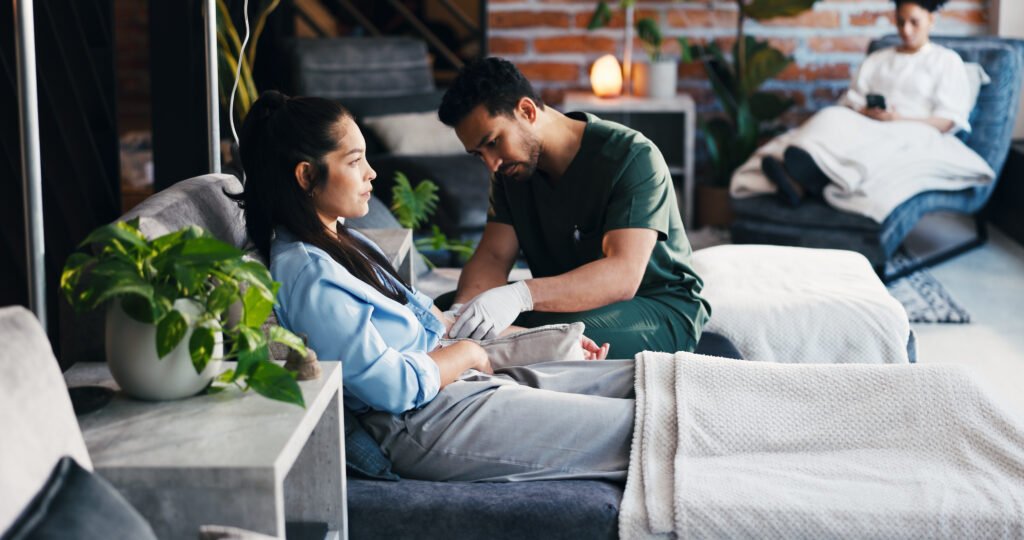
When caring for immunocompromised loved ones, one of the best things you can do for their health is keep their surroundings sanitary. Obviously, regular cleaning reduces the germs that could make them sick, but there are other reasons cleanliness is key for immunocompromised loved ones as well. Here are several reasons cleanliness deserves extra care when someone you love has a weakened immune system.
A weakened immune system has a harder time fighting certain bacteria and viruses after exposure. That gives some infections more time to develop before the body can control them.
Household cleanliness reduces how many germs your loved one encounters throughout the day. Germs can pass from hands to shared surfaces and then move to another person through touch. Regular cleaning removes some of those microbes before they reach the person whose immune system has less ability to fight them off.
An infection that causes mild symptoms in one person may cause a much more serious illness in someone with reduced immune defenses. Their body may struggle to contain the infection before it spreads or causes complications.
A sanitary home reduces unnecessary exposure before illness begins. You don’t need to make every room sterile. Instead, regular household cleaning lowers the amount of bacteria and viruses your loved one encounters during normal routines. That gives their immune system fewer threats to manage at one time.
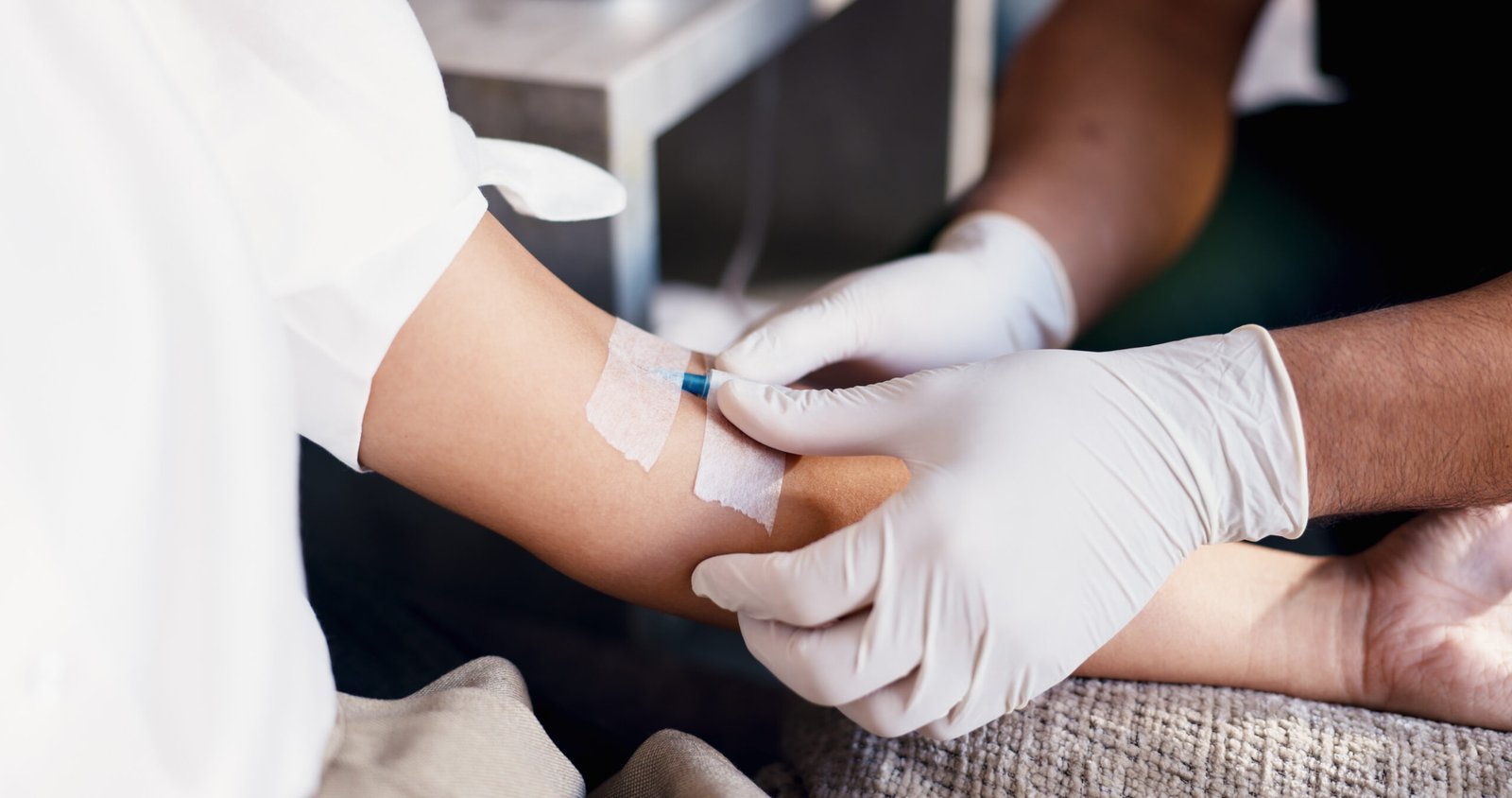
Skin protects the body from many microbes in the surrounding environment. A cut or scrape creates an opening that bacteria can use to enter the tissue beneath the skin.
For an immunocompromised person, infection through damaged skin can become harder for the body to control. Clean surfaces reduce the amount of contamination around hands or other exposed areas. Proper wound care still needs its own routine, but a sanitary environment reduces extra contact with bacteria while the skin repairs itself.
Respiratory viruses can move through a household when an infected person coughs or talks near others. Hands can also transfer viruses after contact with contaminated objects.
That creates extra concern when someone in the home has a weakened immune system. Regular cleaning reduces contamination on surfaces people touch throughout the day. Good hand hygiene adds another barrier between your loved one and germs brought into shared rooms by visitors or other household members.
Foodborne bacteria can cause severe illness in people with weakened immune systems. Kitchen sanitation therefore needs extra care when you prepare food for an immunocompromised loved one.
Cross-contamination is one common route. Raw meat can leave harmful bacteria on a cutting board, and those bacteria can transfer to another food placed there later. Proper washing between uses stops that transfer. A clean food-prep area limits the bacteria your loved one may encounter through meals prepared at home.
An immunocompromised loved one may spend more time at rest, and therefore more time in bed. Bed sheet care in care settings requires extra work when someone uses the bed for much of the day because sweat and body oils build up on the fabric between washes.
Sheets also sit against the skin for hours at a time. Regular laundry removes accumulated residue before it remains in close contact with the body for another night or another long period of rest.
Bathrooms contain several surfaces that people touch before and after they wash their hands. A toilet handle is one example because people touch it immediately after toilet use.
If another person touches that surface later, microbes can move onto their hands. Regular bathroom cleaning interrupts that transfer route. For an immunocompromised loved one, less contamination on shared bathroom surfaces reduces exposure to germs that may cause more serious illness.
Doorknobs receive repeated contact from different people throughout the day. Each touch gives microbes another opportunity to move from a hand to the surface or from the surface back to a hand.
That repeated contact makes high-touch areas important in a home where someone has reduced immune defenses. Regular cleaning removes microbes before they pass through several people. The result is less contamination on the objects your loved one reaches for during normal daily routines.
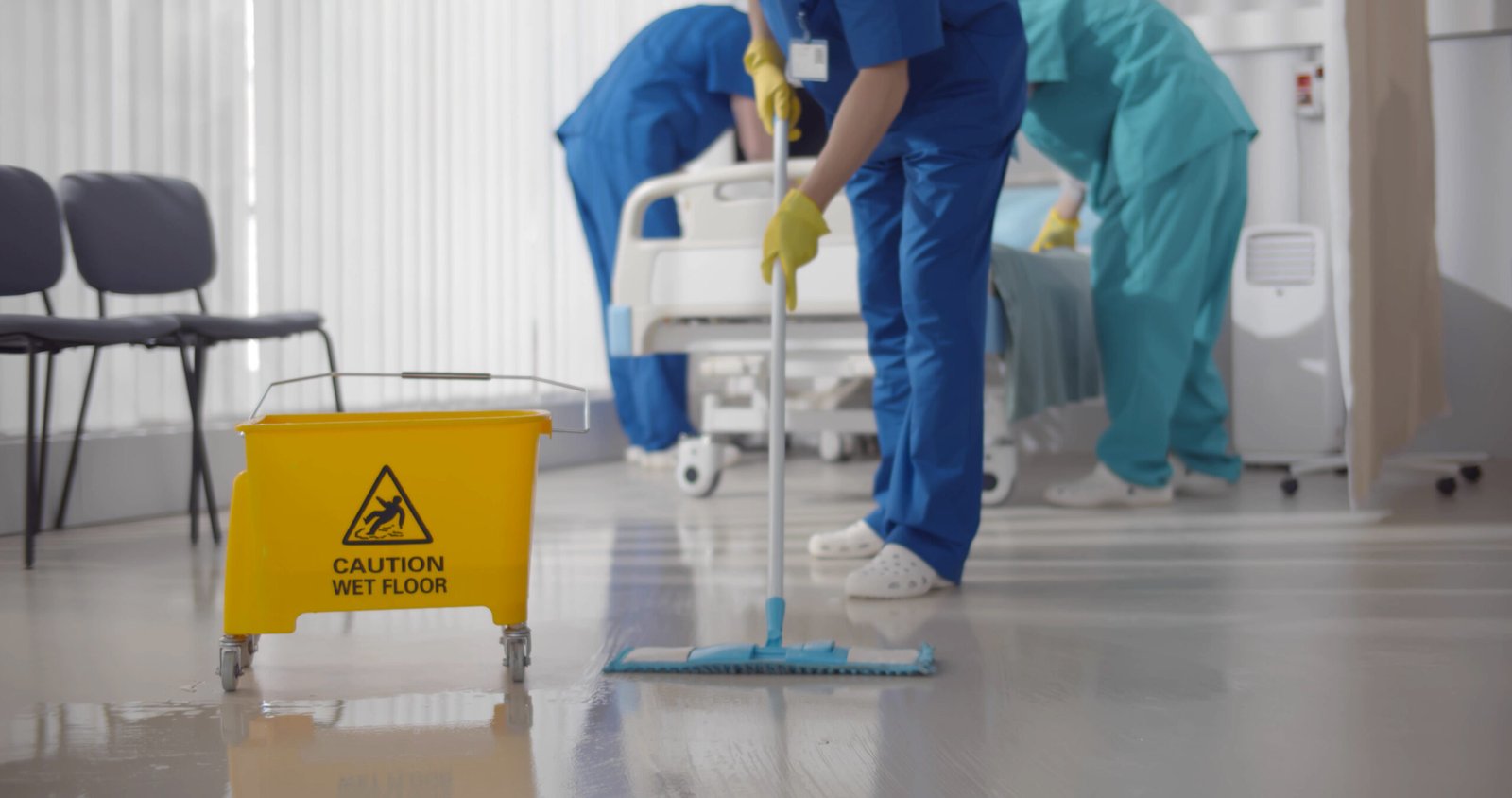
Shoes bring dirt and microbes in from sidewalks, parking lots, and other public places. Those contaminants then settle on floors where your loved one may walk, sit, or drop personal items. For someone with a weakened immune system, regular floor cleaning reduces what remains in those areas between visits or errands. You don’t need to scrub the floor constantly, but letting grime build up gives outside contaminants more time to stay in the home.
Clothing sits against the body for hours and collects sweat before it reaches the laundry basket. Towels also hold moisture after use, which gives some microbes an environment where they can remain until wash day.
Fresh laundry reduces repeated contact with what’s collected in the fabric. Dirty items should also remain separate from clean ones so contamination doesn’t transfer back after a wash cycle. That separation protects the work you already did when you washed the item.
Hands touch people and household objects throughout the day, which gives microbes plenty of opportunities to travel through the home.
Soap loosens germs from the skin so water can rinse them away. Regular handwashing becomes especially important before contact with an immunocompromised loved one or an item they use. It also reduces transfer after contact with a contaminated surface. One proper wash can stop germs before they move to the next person or object.
You can’t remove every germ from a home, and you don’t need to. The purpose of regular cleaning is to reduce avoidable exposure for someone whose immune system has less ability to fight infection.
That’s why cleanliness is key for immunocompromised loved ones. A sanitary home gives them a safer place for daily life while you continue to support their health and comfort.