


Dr. Eboni Green
November 16, 2026

Accessible transportation can make daily caregiving easier. The right vehicle helps a loved one attend appointments, visit family, and participate in community activities without unnecessary discomfort. But is it better to buy a vehicle for wheelchair use, or convert one?
Your decision should reflect the wheelchair user’s mobility, your caregiving routine, and the total cost of ownership. Use the following steps to compare your options.
An existing wheelchair accessible vehicle may have a ramp or lift, modified seating, wheelchair securement equipment, and additional interior clearance. New models offer current equipment and warranty options. Pre-owned vehicles can cost less, although you should inspect both the automobile and its accessibility systems.
Buying lets you evaluate the final setup before committing. However, available layouts may not match every wheelchair user’s needs.
A conversion adapts a compatible vehicle for wheelchair access. Depending on the model, modifications may include a lift, seating changes, or special restraints. Some conversions require extensive structural work.
Keeping a familiar vehicle may appeal to families, but compatibility is never guaranteed. A mobility specialist must assess the vehicle before you assume it can accommodate the equipment you need.
Cost is always a prime consideration when considering whether it’s better to buy or convert a vehicle for wheelchair use. When comparing new and pre-owned options for wheelchair-accessible vehicles, ask about equipment condition, maintenance records, and warranty coverage.
Converting your current vehicle avoids buying another automobile, but extensive modifications can carry substantial costs. Request an itemized estimate covering parts, installation, and any additional work.
Account for insurance, maintenance, and possible repairs with either option. A low initial price may offer little value if the vehicle needs expensive mechanical work soon afterward.
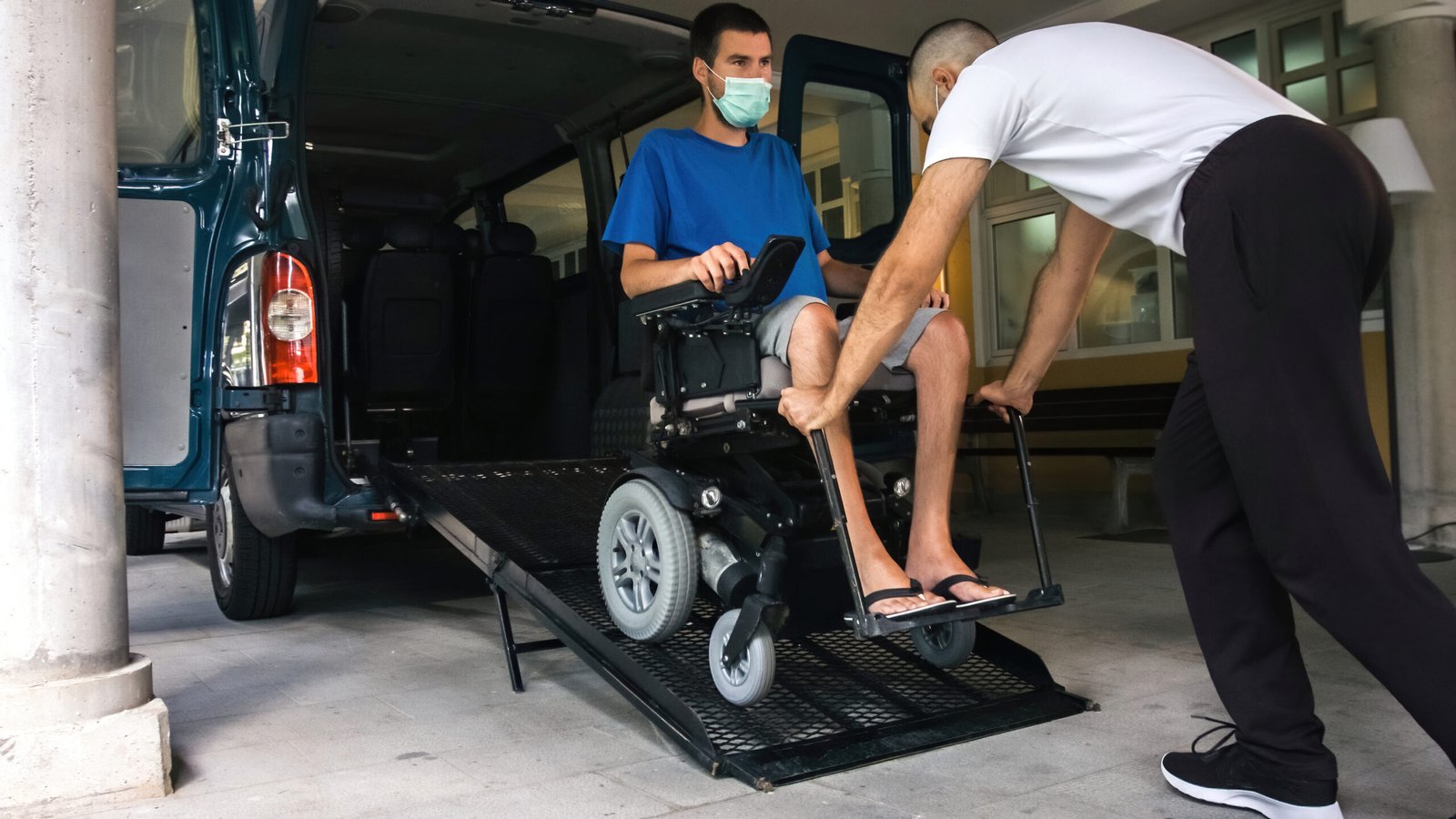
Record the wheelchair’s overall width, length, and occupied height, including accessories. Powered wheelchairs may require more space and have different weight requirements than manual models.
Ask whether the wheelchair user will remain seated during travel or transfer to a vehicle seat. This distinction affects equipment selection and interior configuration.
Plan for possible changes in mobility. A layout that works today may become impractical if your loved one changes wheelchairs.
Where will the wheelchair user sit? Some configurations support front passenger or driver positions, while others place the wheelchair farther back.
Think about how you will assist with entry, restraints, and exit. You should be able to reach the necessary equipment without awkward movements or excessive lifting.
If the wheelchair user intends to drive, request an appropriate assessment for adaptive driving controls.
Not every SUV, truck, or minivan can accept the same modifications. Vehicle structure, available clearance, and equipment weight all affect compatibility.
For families exploring SUVs and trucks, the consultation process for mobility vehicle conversions provides a useful example of how specialists assess vehicle fit and individual accessibility requirements.
A qualified provider should review the exact make, model, year, and configuration before recommending modifications. Also check the vehicle’s mechanical condition. Major repairs or limited remaining service life could make a replacement more practical.
Do not purchase conversion equipment based solely on a vehicle’s general size.
Ramps and lifts require different amounts of space and effort. A side-entry ramp may be difficult to deploy in a narrow parking space. Rear entry may work better in some settings, while lifts may suit certain SUVs or trucks.
Try the equipment with the wheelchair user whenever possible. Check the slope, entry clearance, operating controls, and space needed outside the vehicle.
Wheelchair brakes alone cannot secure a wheelchair during travel. Ask for a demonstration of the wheelchair securement system and appropriate occupant restraints.
Choose experienced installers who follow applicable safety requirements. Confirm that the wheelchair and securement arrangement are suitable for vehicle travel, and practice the procedure before your first trip.
Caregivers should also know what to do if a ramp or lift stops working.
An accessible vehicle must work beyond medical appointments. Consider errands, school or work trips, and visits with friends.
Check how many passenger seats remain after modification. Will there be room for siblings, other relatives, or a second caregiver? Verify storage capacity for bags and medical supplies.
Think about your regular parking locations, including home. A vehicle that fits in the driveway might still lack enough clearance to operate its ramp.
Test the setup yourself. If you cannot comfortably manage the equipment after a demanding caregiving shift, ask about alternatives.
Accessibility systems need routine inspections and occasional repairs. Ask who can service the ramp, lift, electronic controls, and securement equipment near your home.
Vehicle manufacturers and conversion providers may issue separate warranties. Request written terms explaining what each covers, whether coverage transfers with a used vehicle, and how modifications affect the original warranty.
Plan for interruptions, too. Identify an accessible transportation service you could use if your vehicle requires repairs. Availability varies by location, so investigate before you urgently need a backup.
Some wheelchair users qualify for help with vehicle adaptations. Depending on location and eligibility, assistance may come from veterans’ programs, vocational rehabilitation services, disability organizations, or manufacturer mobility incentives.
Review each program’s rules before committing money. Some support modifications but not the vehicle itself; others require preapproval or documentation from a medical professional.
Ask providers for detailed estimates that you can use when applying for assistance.
Buying an existing accessible vehicle may make sense when your current automobile is unsuitable, you need transportation quickly, or you find a configuration that meets your needs.
Converting may be worthwhile when your vehicle is reliable, compatible, and suitable for the wheelchair user’s particular seating or entry requirements.
Before deciding, complete these final checks:
The best vehicle for you is the one that supports safe travel and fits real life. Neither buying nor converting is automatically cheaper, easier, or more appropriate.
Involve your loved one in the decision wherever possible. Their comfort and preferences matter as much as the vehicle specifications.
A careful assessment and hands-on trial can help you choose transportation that supports greater independence while making caregiving responsibilities more manageable.