


Dr. Eboni Green
July 18, 2026

A pulse oximeter may look simple, but the numbers on its screen can raise important questions during home care. For anyone new to monitoring oxygen levels, this guide can help caregivers understand a pulse oximeter better, including what each reading means, how to use the device correctly, and when to contact a health care professional. With clear information and a little practice, caregivers can use the device with greater confidence while watching the person’s breathing, comfort, and overall condition.
A pulse oximeter can make home care feel a little less uncertain, but two changing numbers can also raise questions. The small device clips onto a fingertip, shines light through the tissue, and estimates blood oxygen saturation and pulse rate within seconds. Caregivers can use those readings to follow a care plan, notice changes, and share specific details with a health professional.
The device offers useful information, but it can’t tell the whole story. Watch the person, not just the screen. Breathing trouble, chest pain, bluish lips or face, or a sudden decline calls for prompt medical attention.
The screen usually labels oxygen saturation as SpO2 and shows it as a percentage. Most healthy people see readings from 95 to 100 percent, although lung or heart conditions and higher elevation can lower a person’s usual range. Follow the target range from the person’s clinician instead of relying only on a general benchmark. Most screens show PR beside the pulse rate.
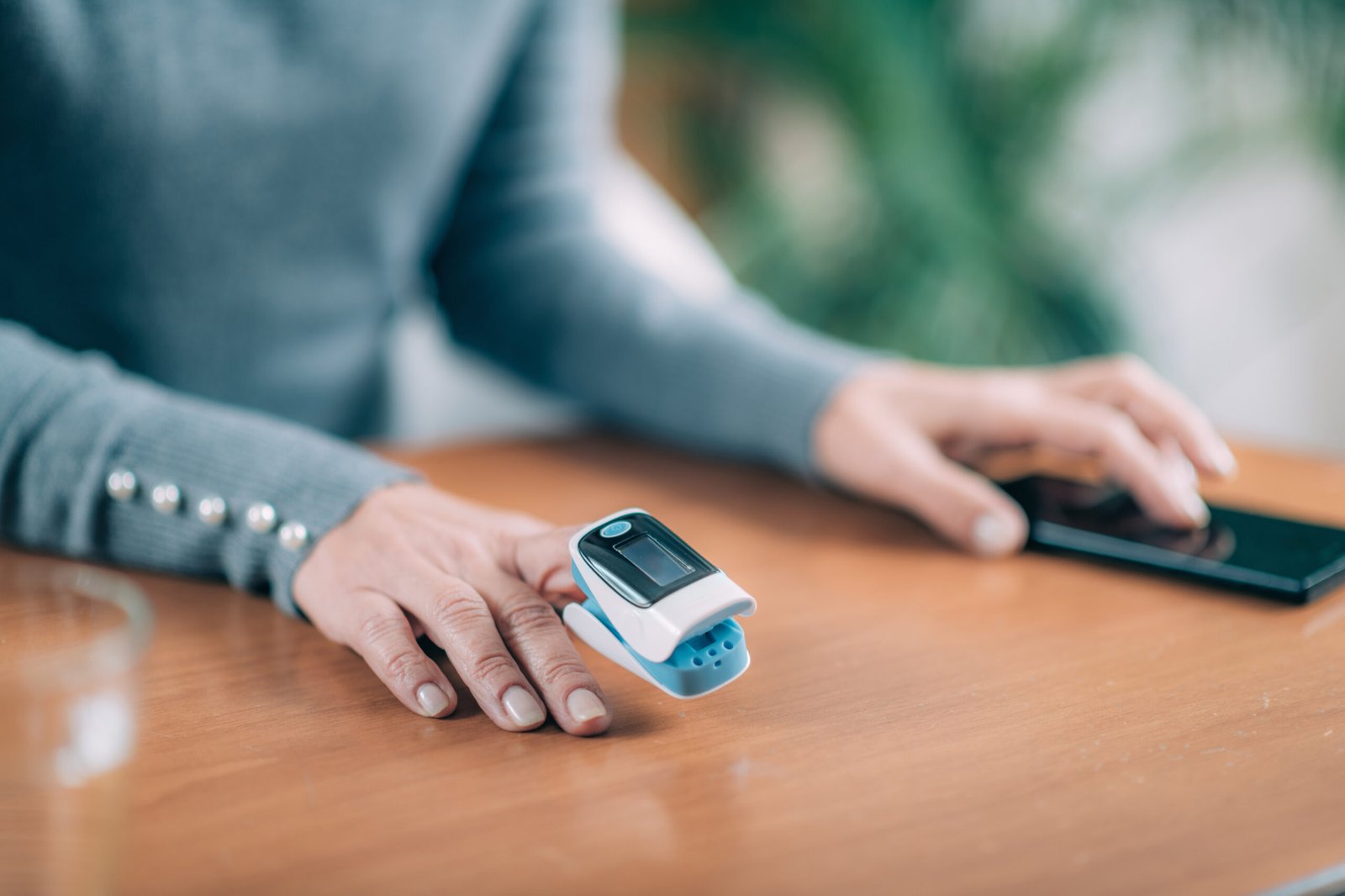
Proper pulse oximeter usage starts with a warm, relaxed hand. Ask the person to sit still. Remove dark nail polish or an artificial nail from the test finger. Place the clip securely on the fingertip, hold the hand slightly below heart level, and wait until the numbers settle. Record the stable reading, date, time, and any symptoms.
If a number looks unusual, warm the hand, reposition the clip, and check again. Poor circulation, cold skin, skin thickness, tobacco use, and skin pigmentation can affect accuracy. Every device has limits, so compare each reading with the person’s symptoms and usual pattern.
A single reading gives only one piece of information. Compare the result with the person’s symptoms and with recent readings you recorded under the same conditions. A simple log can help a clinician spot a clear change.
Follow the schedule and thresholds that the person’s clinician provides rather than reacting to every small fluctuation. Contact the clinician before changing the care plan.
Follow the person’s care plan first. Without a personal threshold, contact a health care provider when the reading falls to 92 percent or lower. Seek immediate medical attention at 88 percent or lower. Serious or worsening symptoms can require urgent care even when the reading stays above those thresholds.
A pulse oximeter works best as one part of thoughtful caregiving, and the above guide will help every caregiver understand a pulse oximeter better. Use the device correctly, track patterns, and pay close attention to how the person looks and feels. Clear observations and consistent readings can help caregivers respond sooner, communicate better, and support safer care at home.