


Dr. Eboni Green
May 7, 2024

Cutting-edge technology continues to advance at a rapid pace, offering innovative solutions to improve patient care and streamline healthcare operations. However, with a multitude of options available, it’s crucial to know which features to prioritize when upgrading the tools used in your caregiving facility. Consider the following key features to look for in new medical equipment to ensure you create a patient-centric, efficient, and safe environment.
One should not overlook the quality of life (QoL) updates that technology brings to both patients and healthcare providers when evaluating new medical equipment. These updates often include enhancements in user interface design, making equipment more intuitive and easier to use, which can significantly reduce the learning curve and operational errors.
Additionally, QoL improvements may involve the integration of wireless technology, allowing for remote monitoring and data sharing. This integration facilitates a more flexible and responsive approach to patient care while supporting telehealth practices, making healthcare more accessible to everyone.
Ergonomic design is another critical aspect, as it can drastically reduce physical strain on healthcare workers, thereby decreasing the risk of work-related injuries and increasing job satisfaction. While you don’t need every QoL update available, picking a product that incorporates some of them will be instrumental in improving your patient care.
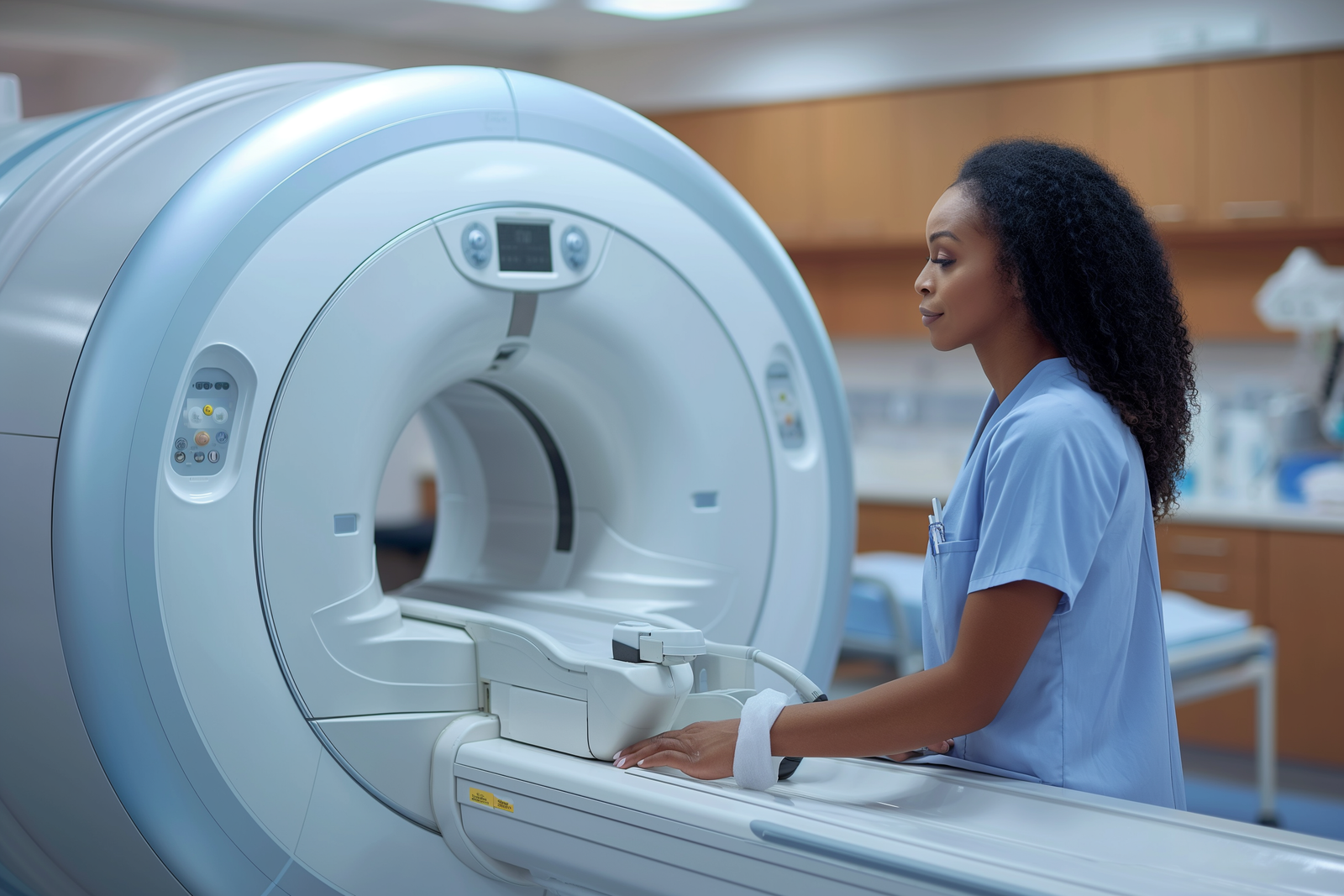
It should go without saying that patient safety is non-negotiable, so your equipment should reflect this priority. Modern medical devices come equipped with an array of safety features, such as antimicrobial surfaces to reduce the risk of infection or alert systems to notify caregivers of potential errors or risks.
Look for equipment that comes with secure locking mechanisms, stabilizing features, and non-slip materials if you predominately work in environments prone to accidents. Additionally, consider investing in equipment with integrated training or user manuals to ensure staff understands how to operate machinery safely and effectively.
Flexibility and mobility are increasingly essential in a healthcare setting. You should purchase new equipment with portability in mind, allowing your caregiving team to transport and use it in various settings such as patient rooms, treatment areas, and even in the field. For example, portable ultrasound equipment is known to enhance patient care in a variety of ways, so these machines might be worth checking out if you offer these types of services.
The context of emergency and long-term care amplifies the need for portability. These tools can make a vast difference in providing immediate care in critical situations and offering comfort in chronic care settings. Prioritize lightweight and ergonomically designed equipment to confidently address these scenarios and ensure you can provide excellent care without unnecessary physical strain.
Compatibility is the final key feature to look for in new medical equipment. You should never operate your brand-new tools in complete isolation since doing so will make your processes much less streamlined. Therefore, you must seek equipment that’s compatible with the existing technology, information systems, and communication channels within your healthcare facility.
Easy integration can result in more comprehensive patient data, efficient workflow, and reduced training time for staff. Inquire about the equipment’s compatibility with your current infrastructure to ensure a seamless transition when considering a new purchase.