


Dr. Eboni Green
December 17, 2024
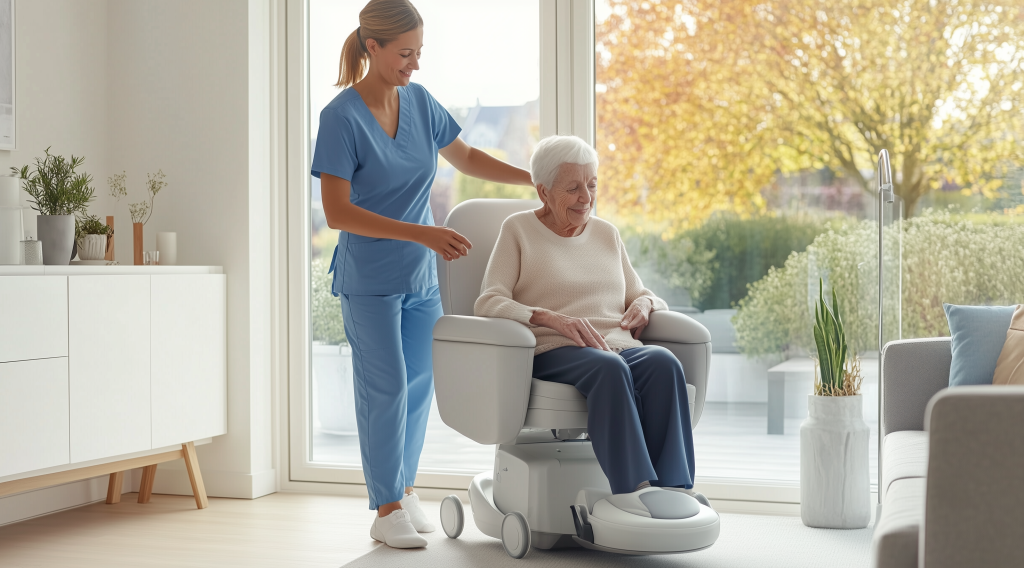
It’s quite common to think of caregiving as a relationship between a person who is incapacitated to some degree, and someone who is able-bodied. But that’s not the case of course. Usually, yes, the carer will be more physically capable and most likely in better health than the person they’re caring for, but that doesn’t mean they won’t experience difficulties daily as they try to render that help.
Moreover, t’s important to remember that while a central element the of caring is not exclusively about tending to their daily affairs or ensuring they take their medication. Often, it can be about companionship and connection too.
If you experience certain mobility issues, you may wonder if you’re capable enough to render the kind of aid you would like to provide, perhaps to a loved one, or in a more professional setting. In this guide, we’ll offer some advice:
Of course, you must be capable and active enough to care for the person you’re charged with, but in general this practice can be messy, real, and rarely follow perfect script. The truth is caregivers come in all shapes, sizes, and abilities – and having your own challenges doesn’t disqualify you from being an incredible support for someone else and really making a material difference to their wellbeing.
Caring isn’t just about attending to physical tasks for the most part, and unless you’re assisting them in getting up and down and with hygiene, you may not have much in the way of tasks that require actual strength. For the most part, a good deal of your approach here is about showing up.
If you’re wondering whether your own limitations might get in the way of being a good caregiver, you can talk to orthopedic doctors to see what assistance is needed, and how to balance your approach.

It’s okay if you need tools to commit to your job here. Mobility aids and support systems may help you deliver the kind of care your relative or friend may need. For example, mobility aids like hoists, walkers, or transfer chairs can help reduce strain when assisting someone with limited movement. Additionally, certain home modifications such as like grab bars in bathrooms or stairlifts can make caregiving safer and easier for everyone involved, even if you have to use them a little.
You can also lean on healthcare professionals to take on tasks that are beyond your ability, such as managing wound care or applying more complex treatments, or even delivering meals if cooking every day is not possible. Knowing when to ask for help is a strength, not a shortcoming, and ensures the care you provide remains safe and effective without being irresponsible.
Mutual activities can be a big part of caring, such as heading to local bingo with your grandmother as part of them getting out of the house, connecting with others and exercising. What you choose will depend on the abilities and preferences of both you and the person you’re caring for.
It could be sharing a book together, preparing a meal as a team, or enjoying a board game that helps you spend a nice evening, and caring is as much about this as anything else. Even sitting outside for fresh air and a change of scenery can make a difference, as it’s often little lifestyle habits like this that have a real impact.
Developing that relationship can help you both lean on one another and also motivate one another to get out of the house or maximize how much of life you feel confident to live. This is often the under-discussed beauty of caring.
If you’re providing care, especially over the long term, it’s important to recognize your role officially. Registering as a carer with relevant services can open up access to resources and support that have been appropriately assigned to your situation.
For example, you might be eligible for respite care, which should provide temporary relief by arranging professional care for your loved one, allowing you to care with what you’re capable of in your own needs, but never being irresponsible avoiding the measures you can’t help with yourself. Financial support or access to counselling services might also be available if properly measured.
With this advice, we hope you can avoid being blind to the support you may need, but also not have to give up on your caring wishes should you work really well with someone you appreciate caring for.