


Dr. Eboni Green
September 8, 2026
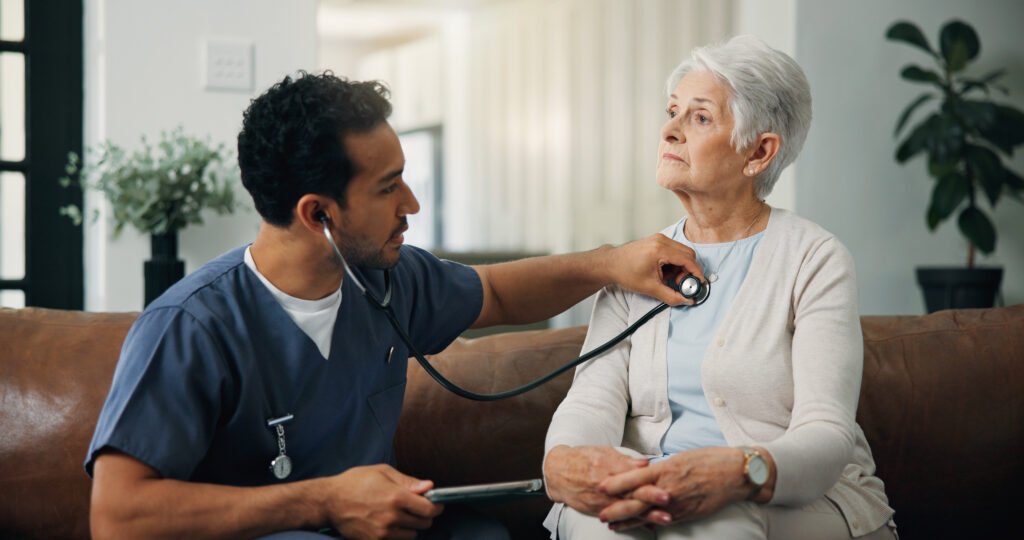
Caring for a loved one at home, and wondering what equipment you can get for your setup to make everyday care easier on them and on you? There are many medical devices designed for use outside a hospital or clinic. Some support daily monitoring, while others make movement easier during care.
The right fit depends on what your loved one needs and what their health care provider recommends. Here are common medical equipment options for home use and what you should know before bringing each one into your space.
If someone in your home has a condition that affects how well their lungs pull oxygen from the air, a concentrator gives them a continuous supply without the hassle of refilling tanks. The machine pulls in room air, strips out nitrogen, and delivers concentrated oxygen through a nasal cannula.
Most home units run quietly enough to sleep through. Portable versions exist too, though they typically deliver oxygen in pulses rather than a continuous stream, so check with the prescribing doctor about which delivery mode fits the person’s needs.
A CPAP machine delivers a steady stream of pressurized air that keeps the airway open during sleep. It’s prescribed for obstructive sleep apnea, where the throat relaxes and blocks airflow repeatedly through the night.
Without treatment, that interrupted breathing disrupts sleep quality and puts strain on the cardiovascular system over time. The setup includes a machine, a tube, and a mask that fits over the nose or mouth.
Mask fit is where most people run into trouble early on. If the mask leaks or creates pressure points, a different style or size usually solves it.
Blood pressure monitors are one of the most widely used pieces of home medical equipment you can easily find at any pharmacy or medical supply retailer. There are some differences between home and clinical blood pressure monitors, like cuff size and calibration standards, but for the most part, a quality home unit gives you readings that are accurate enough to track trends and catch changes between doctor visits.
Upper arm monitors tend to be more accurate than wrist versions. Take readings at the same time each day and sit quietly for five minutes beforehand. One reading doesn’t tell you much. A pattern over several days does.
A nebulizer converts liquid medication into a fine mist that gets inhaled directly into the lungs. It’s commonly used for asthma, COPD, and other respiratory conditions where an inhaler alone isn’t getting medication deep enough into the airways.
The device connects to a mask or mouthpiece, and the treatment typically runs between five and fifteen minutes. Jet nebulizers are the most common for home use, though mesh nebulizers run quieter and are easier to travel with.
If you or someone in your home manages diabetes, a glucose monitor removes the guesswork from daily blood sugar decisions. Traditional monitors require a finger prick to collect a blood sample, which gets applied to a test strip.
The device reads the strip and gives you a number within seconds. Continuous glucose monitors take that a step further by tracking levels throughout the day through a small sensor worn on the skin.
The sensor communicates wirelessly to a reader or smartphone app and alerts you when numbers move outside a set range.

This category includes wheelchairs, walkers, rollators, and canes, all of which serve different levels of mobility need. A standard walker provides stability for someone who needs support but can still bear weight. A rollator adds wheels and a seat, which suits people who tire quickly and need a place to rest without finding a chair. Wheelchairs come in manual and power versions. Power chairs are heavier and require more space to maneuver, so the layout of the home matters when deciding between options.
Any of these can be fitted or adjusted by a physical therapist to match the person’s body and movement pattern.
A hospital-style adjustable bed does things a standard mattress can’t. The head and foot sections raise and lower independently, which takes pressure off certain areas of the body and makes repositioning easier without requiring another person to help.
That’s relevant for anyone recovering from surgery, managing chronic pain, or dealing with a condition that makes lying flat uncomfortable. Many also include side rails and an adjustable height feature that makes getting in and out safer.
If skin breakdown or pressure injuries are a concern, the bed works alongside a pressure-relief mattress to cut that risk further.
Transferring someone from a bed to a wheelchair or a chair to the bathroom is one of the most physically demanding parts of home caregiving. A patient lift takes most of that strain off the caregiver by using a sling and either a manual or electric mechanism to move the person safely. Ceiling track lifts exist too, though they require installation and are better suited for permanent setups. Floor-based models are portable and don’t require any modification to the home.
If transfers have become difficult to manage by hand, a patient lift reduces how much weight the caregiver has to support and gives the person being moved more controlled support during the transfer.
People with neurological conditions, swallowing difficulties, or certain post-surgical needs sometimes can’t clear mucus or secretions from their airway on their own. A suction machine uses negative pressure to remove those secretions through a catheter.
Home suction units are smaller than clinical versions but work on the same principle. Knowing how to use one correctly takes training, so this is equipment that should come with instruction from a medical professional before it goes into regular use at home. Improper technique can cause injury, so it’s not something to learn from a manual alone.
Managing a chronic wound or a surgical site at home requires more than bandages from a drugstore shelf. Depending on the wound type, you may need sterile gauze, non-adherent dressings, medical-grade tape, wound irrigation supplies, or specialized foam dressings that manage moisture levels inside the wound bed. Some wounds also require a wound vac, which is a portable device that applies gentle suction to pull out fluid and promote healing.
A home health nurse typically handles initial wound care and teaches the caregiver what to watch for between visits, including signs of infection like increased warmth or changes in drainage.
The medical equipment that makes the most sense for your home depends entirely on the person’s diagnosis and daily needs, so a conversation with their care team is always the first step. Insurance coverage varies by condition and equipment type, and some items require a prescription before a supplier will provide them. Once coverage is confirmed, a durable medical equipment supplier can handle delivery and setup for larger items.
Knowing what’s out there is half the battle, and most of the equipment covered here has been around long enough that it’s reliable, widely available, and supported by good user documentation.