


Dr. Eboni Green
May 19, 2026
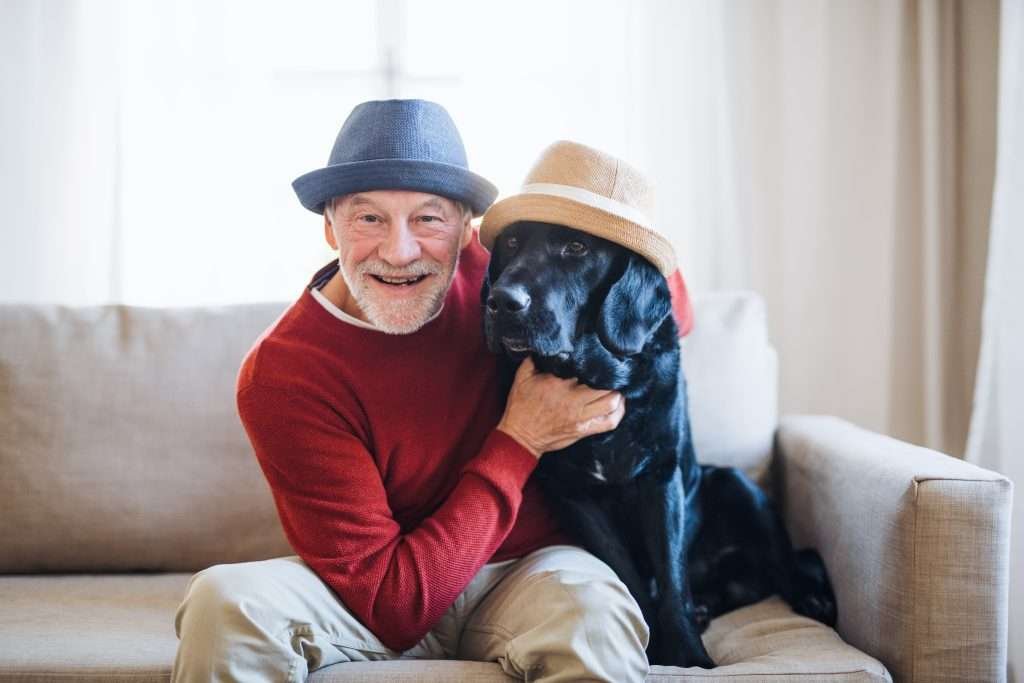
For caregivers, daily structure can help an aging loved one or client feel more grounded and supported. Dogs naturally encourage this rhythm through their day-to-day care needs, making pet companionship a thoughtful part of the care plan.
Dogs thrive on routine. They need to eat, go outside, rest, and receive attention regularly. Those patterns can help shape the day into a small, manageable to-do list for an aging adult. Caregivers can use this natural rhythm to make daily care feel more predictable.
Each task can gently guide the day, giving a feeling of purpose. These familiar touchpoints show how dogs create routines for aging adults while also supporting comfort and reducing restlessness. Over time, the dog’s needs can become reassuring cues for what comes next.
Caregiving often centers on what an aging adult needs help with, but a dog can create small moments of choice. Your loved one may decide where the dog rests or which simple task feels comfortable that day. When those choices match the person’s abilities and safety needs, they can help the adult feel more involved in daily life.
The home setup can either support that involvement or make it harder. Caregivers can reduce strain by keeping pet items easily accessible. For example, choosing a bed suited to the dog’s habits can help keep the space organized and simple to navigate.
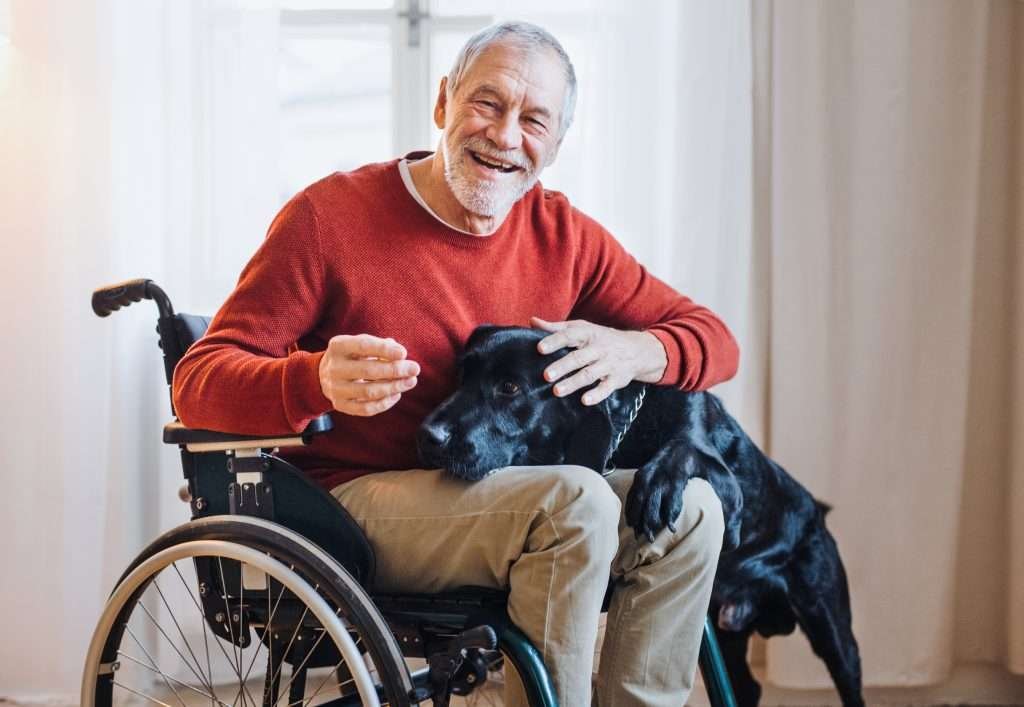
Not every aging adult can walk a dog independently, so safety should always guide the plan. Still, dogs can encourage light activity when caregivers connect movement to something familiar and enjoyable. Even a small amount of movement can help the day feel more engaged.
A caregiver might support a brief walk or seated indoor play, depending on the adult’s ability level. When mobility limits activity, caregivers can adapt pet routines to safer options, such as grooming from a stable chair. The key is to keep movement gentle and easy to repeat.
The best pet routines are realistic. Caregivers should consider both the adult’s abilities and the dog’s temperament before adding anything new to the day. . A routine should feel supportive, not like another source of pressure.
A simple written schedule can clarify who handles each task and reduces confusion. Dogs help create a routine for aging adults most effectively when their natural rhythm supports the care plan instead of adding more work. This helps caregivers protect the benefits of pet companionship while keeping daily care manageable.
Start small. Choose one pet-related habit to connect with an existing caregiving routine, such as breakfast or an afternoon rest period. Keep it safe, repeatable, and pleasant. Over time, a dog’s presence can help bring more structure, warmth, and purpose into the day.