


Dr. Eboni Green
May 2, 2025
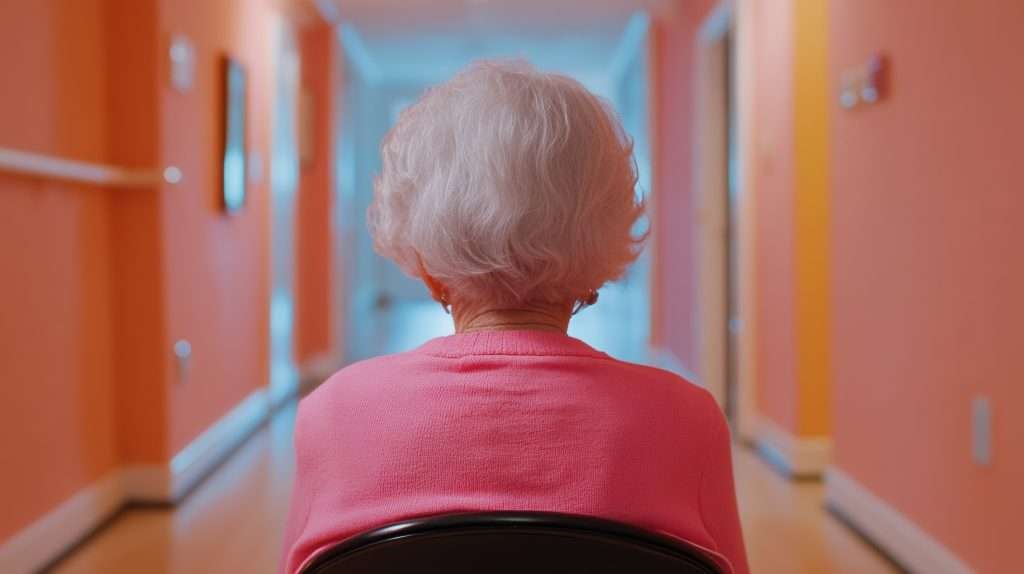
Dementia affects millions worldwide and presents ongoing challenges for elders and the caregivers supporting them. Sleep disturbances, mood shifts, and agitation are common, making caregiving more demanding, physically and emotionally.
In recent years, the role of light therapy in managing dementia symptoms has gained attention as a non-invasive option that eases some of these difficulties. Let’s explore how light therapy works, why it shows promise, and how carers could introduce it into a daily care routine.
Dementia is not a single disease but a term that covers several conditions marked by a decline in cognitive function, behavior, and memory. Alzheimer’s disease is the most common form, though symptoms often go beyond forgetfulness. Many elders with dementia experience disrupted sleep, confusion, and emotional instability, all of which can worsen over time.
Understanding the progression and stages of dementia helps anticipate these symptoms. As dementia advances, disruptions to the circadian rhythm, the body’s internal clock, become more pronounced. These disruptions contribute to nighttime wandering, daytime sleepiness, and behavioral changes. Addressing circadian imbalances improves comfort and reduces the strain placed on caregivers.
Light therapy uses controlled exposure to high-intensity light to reset and stabilize circadian rhythms. As detailed by News Medical, clients sit near a full-spectrum light box for about 30 minutes each morning using light with an intensity of 10,000 lux.
By regulating a client’s internal clock, light therapy encourages deeper sleep at night and reduces fatigue during the day. As a result, agitation and emotional distress lessen, bringing relief to the client and carers.
Because it’s non-invasive and has few side effects, light therapy is a safe, accessible option for in-home care. Its benefits are most noticeable in the mild-to-moderate stages of dementia, where small improvements in routine make a profound difference.
If you’re considering light therapy for your client, here are some basic guidelines to help you get started.
Incorporating light therapy into a dementia care plan isn’t a cure, but it can improve a client’s daily life. The role of light therapy in managing dementia symptoms is becoming clearer: it’s a non-invasive way to support sleep, stabilize moods, and ease everyday challenges for elders and carers alike.