
Dr. Eboni Green
March 6, 2025

Caregiving teaches a lot, like how to stay calm when a patient suddenly “forgets” they just took their meds, how to carry on a conversation while helping someone out of bed, how to do CPR, and how to keep smiling when exhaustion kicks in. But for many caregivers, there comes a moment when the question pops up: Is this it? Now there’s absolutely nothing wrong with asking that question.
Overall, it can 100% be agreed that caregiving is rewarding, but the pay can be rough (well, depending on your work). Plus, the hours are long. And at some point, it makes sense to start thinking about what’s next. Some people see this as their forever career, and some would rather see it as a steppingstone.
But overall, caregiving is the perfect launchpad into bigger healthcare careers. Many fields, like nursing, physical therapy, and medical imaging, all build directly on the skills caregivers already have. This way moving into these fields isn’t starting from scratch. It’s taking what you know and making it work for you.
Most caregivers already do half the things nurses do, helping patients move, checking on their comfort, even reminding them to take their meds (or convincing them when they insist, they don’t need to). But the difference? Well, nurses get better pay, more career options, and the ability to work in hospitals, clinics, and specialty care.
Plus, nursing schools love applicants with real patient care experience. While other students might be struggling with the basics, caregivers already know how to care for people. That makes the transition smoother, and often faster, than starting from zero. You’re ahead because you have experience.
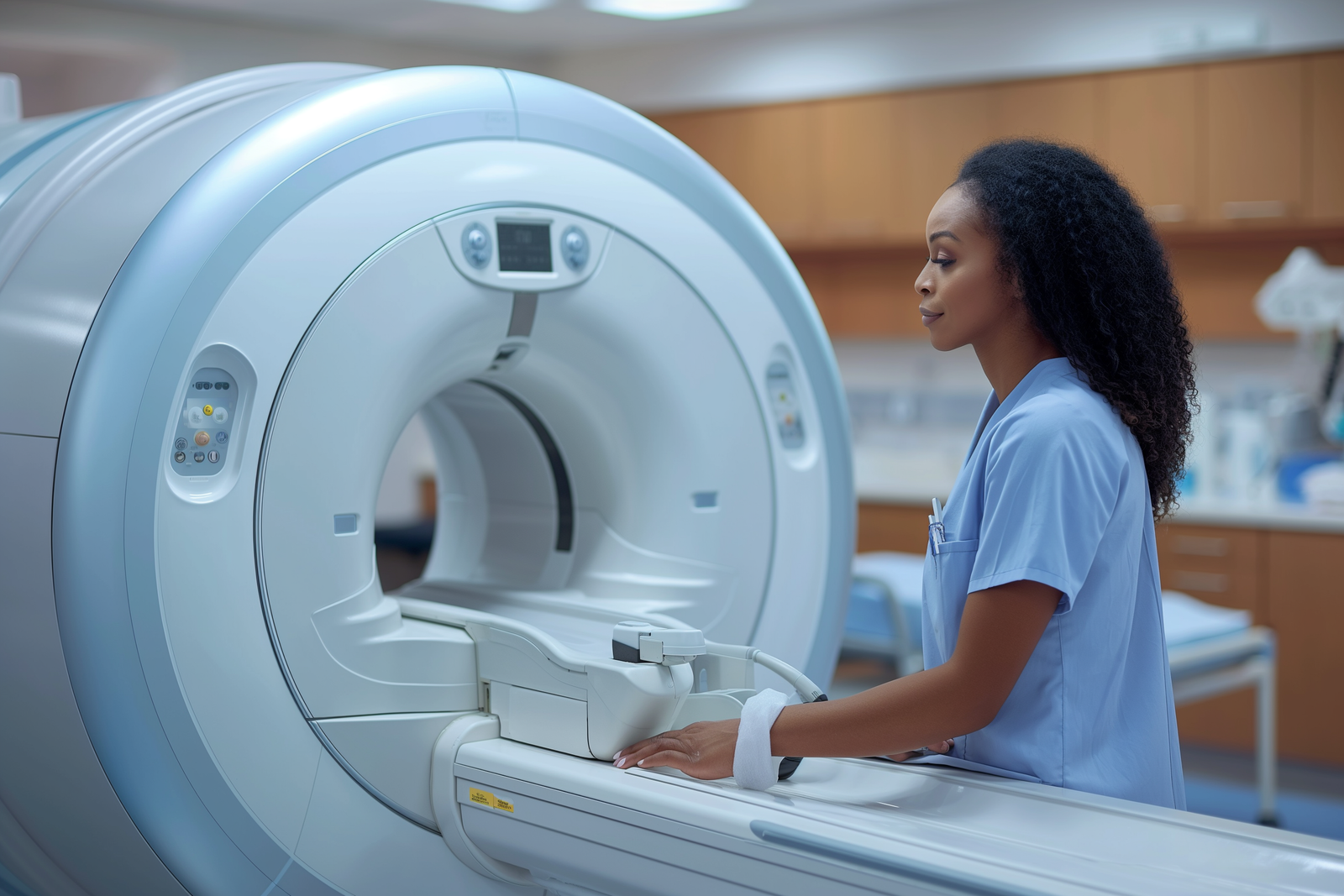
Hands down, you know this, and so does everyone else in caregiving; caregivers see a lot but imagine seeing inside the human body. Well, if this is something that seems fun, then maybe medical imaging could be the right choice for you? As a medical imaging specialist, you will likely have X-rays, MRIs, and CT scans and they’re essential in diagnosing injuries and illnesses.
Caregivers who enjoy the technical side of healthcare often thrive in this field. Honestly, anyone who loves the more technical side could have a great career in medical imaging.
For those interested in orthopedic imaging, learning how to use imaging (for example, in surgeries and procedures), this career has a lot of opportunities, especially with how fast tech seems to be advancing.
Actually, the mini C-Arm cost can be high, and highly sought after, but hospitals and clinics invest in them because they speed up treatment and improve accuracy (and if you think about it, the more experience with higher tech, the easier it is to move up in your career).
Some caregivers love helping patients with mobility. If that’s the case, physical therapy is a career to consider. It should be noted that becoming a physical therapist, can be a lengthy process, but it’s so rewarding. The alternative is physical therapist assistants, and they work one-on-one with patients, guiding them through rehab and recovery (so you can just be an assistant if you don’t want to go to school for years).
If you’ve ever helped someone, get out of bed, assisted with walking, or worked on stretching exercises, you already have a solid foundation.