


Dr. Eboni Green
August 4, 2022
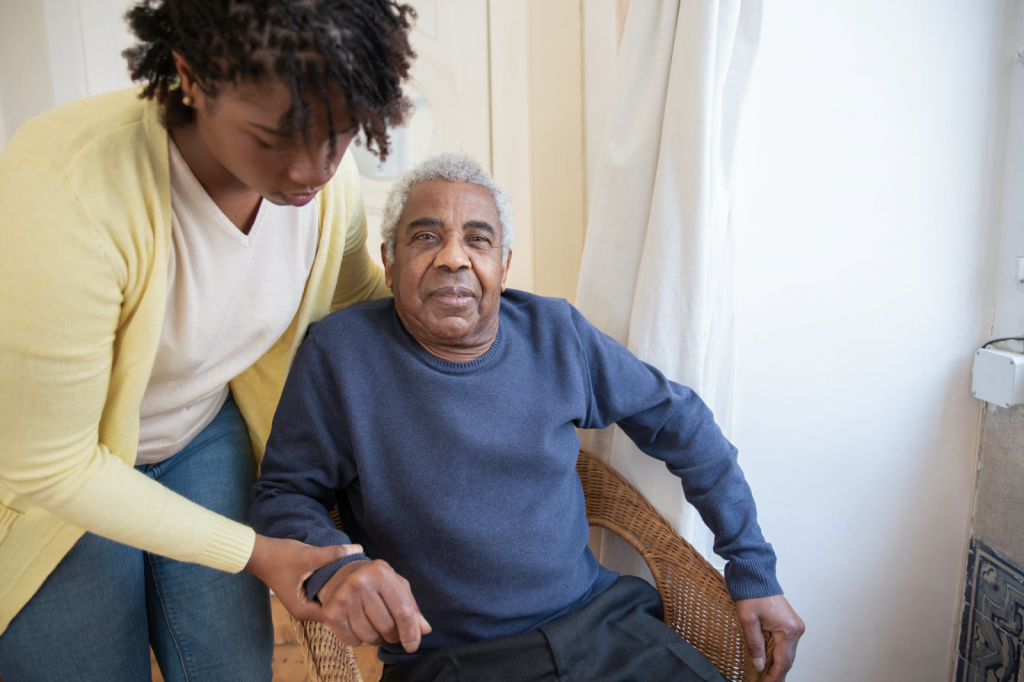
The term “caregivers” refers to the people who assist others who cannot perform necessary daily activities on their own. At any given time, about 11.1 million Americans receive formal or informal caregiving because of a disability, cognitive impairment, or chronic illness. This includes 4% of the nation’s population, many of them seniors. While some of these people live in intermediate care facilities, about 9.5 million of them remain at home with the help of caregivers.
As a caregiver, it’s important to stay organized and to be thorough. Here are some tips from Caregiver Support Services on figuring out their daily needs so you can better handle your responsibilities:
Getting paperwork in order while your loved one is well is critical. It will be stressful enough to make decisions when their mind or body fails. You’ll be glad you won’t have to sort that out when the time comes. Rather than worrying about what will happen if your loved one becomes unable to make their own decisions, you can be proactive. Helping the senior to create a living will and durable power of attorney can relieve their concerns, as well as yours, about the future.
When it comes to figuring out the daily needs of loved ones, it’s important to communicate with them first. Talk with them about what difficulties they encounter day-to-day. From there, you can identify how you can help them and work together for a better quality of life.
In addition to asking loved ones about their experience and how they prefer to move forward, you may find it helpful to speak with others close to the situation. Relatives, friends, and neighbors may have insight on the situation and be able to provide useful information so you can be a more competent caregiver. For those taking in an older relative, a professional geriatric care manager can complete a formal assessment and provide more information regarding community services that can help you with caregiving. For instance, Meals on Wheels is a nonprofit that delivers hot meals to homebound people in need of assistance.
The following tips can help give you an idea of what you’ll have to do to care for your loved one’s day-to-day needs:
Think comfort. No need to bother with control-top pantyhose, girdles, or dress shoes.
Opt for clothes that are both comfortable and easy to get on and off (e.g., sweatpants, zip-up sweaters, slip-on shoes that won’t fall off).
Time to downsize; the fewer clothes for them to choose from, the better. Consider buying a few sets of the same outfit. Or clothing pieces that can all be mixed and matched with each other.
When it is time to dress, lay out their clothes in order of when to put them on (first underwear, last shoes).
If needed, hand each item to them and give step-by-step directions while getting dressed.
Involve the senior as much as possible, while you assist.
Safety when bathing is very important. Always check the temperature of the water and use a handheld showerhead. You may also find that measures such as a rubber bath mat, shower chair, or safety bars can be helpful. Never leave them alone or unable to access you while in the tub.
To prepare for bath time, get all your materials ready and make sure the bathroom is warm and free of tripping/slipping hazards. Gently and politely inform them that it is time for a bath and tell them what you are doing each step of the way.
If you are bathing loved ones, consider giving them a towel to place over their shoulders or lap so they feel comfortable and less exposed. You can then use a sponge to clean under the towel and talk with them to normalize the situation if need be.
After bathing, ensure your loved one is completely dry to avoid rashes or infections.
Consider washing their hair in the sink if it’s easier and safer.
If you are not able to assist with transportation needs, there are other options available.
For doctor’s visits, check with the medical care facility to see if it offers low-cost or even free medical van transportation for appointments.
If you live in the right neighborhood, walking for exercise or for errands is a great way to stay social. Check the walkscore of the neighborhood where they live. Walkscore is a number between 0 and 100 that measures the walkability of any address.
Your loved one may qualify for a handicap-parking permit that makes it easier for them to get in and out of facilities when you are able to drive them. Check with your local DMV for an application.
Caregiving is a huge responsibility that requires commitment and planning. When assessing the daily needs of loved ones, it’s important to include them in the decision-making process. When assessing their daily needs, talk with them about how you hope to keep things simple and safe. For instance, when discussing their clothes, talk to them about comfort and downsizing their wardrobe if need be. Regarding bathing, discuss safety and how to ensure their comfort so they do not feel vulnerable.
Caregiver Support Services helps people become exceptional caregivers for the people and patients around them. Call 866-201-6896.