

Dr. Eboni Green
May 11, 2022

Family caregivers are often caught unaware when a loved one requires assistance from a professional carer. In fact, many family members don’t ask the proper questions when interviewing potential carers for an elder loved one. The result can range from a simple difference in personalities to more serious problems like a carer who is simply not qualified to provide care. You may end up spending a great amount of time and effort trying to find a carer that fits. The following are questions you might use when interviewing a caregiver for your elder loved one:
When it comes to caring for an elder relative, you want to make sure they are in the best possible hands; for this reason, it’s a good idea to ask a potential caregiver why he or she choose the profession. Understanding a carers motivation can provide insight into their commitment and compassion.
This is an important conversation, so take some time and assess their answers, look for sincerity and interest in their responses; if you detect a lack of enthusiasm or suspect their true interests are elsewhere, there’s no need for further consideration, simply cross them off your list.
Not all caregivers are alike; in fact, most have specializations that will make them more or less suitable to care for your loved one. If you contact an agency, they can give you a list of specializations, and Interview Questions For Managers to help you to find the perfect carer.
For instance, if your elderly relative needs special care for dementia or is a high risk for falls, then it’s best to have a caregiver that can assist in these instances. You might also ask how they would cope with situations relevant to the care of your loved one.
If you’re going to find the best caregiver for your loved one, you must consider personalities. There’s nothing worse than a talkative caregiver if your elderly relative is a quiet introvert; similarly, there’s nothing worse than someone too quiet for your talkative relative.
Not everyone knows whether they are an introvert or extrovert or where they sit on the Myres-Briggs continuum, so it’s best to ask a more abstract question like are you quiet or talkative? Most caregivers have some idea of how well they get along with their clients.
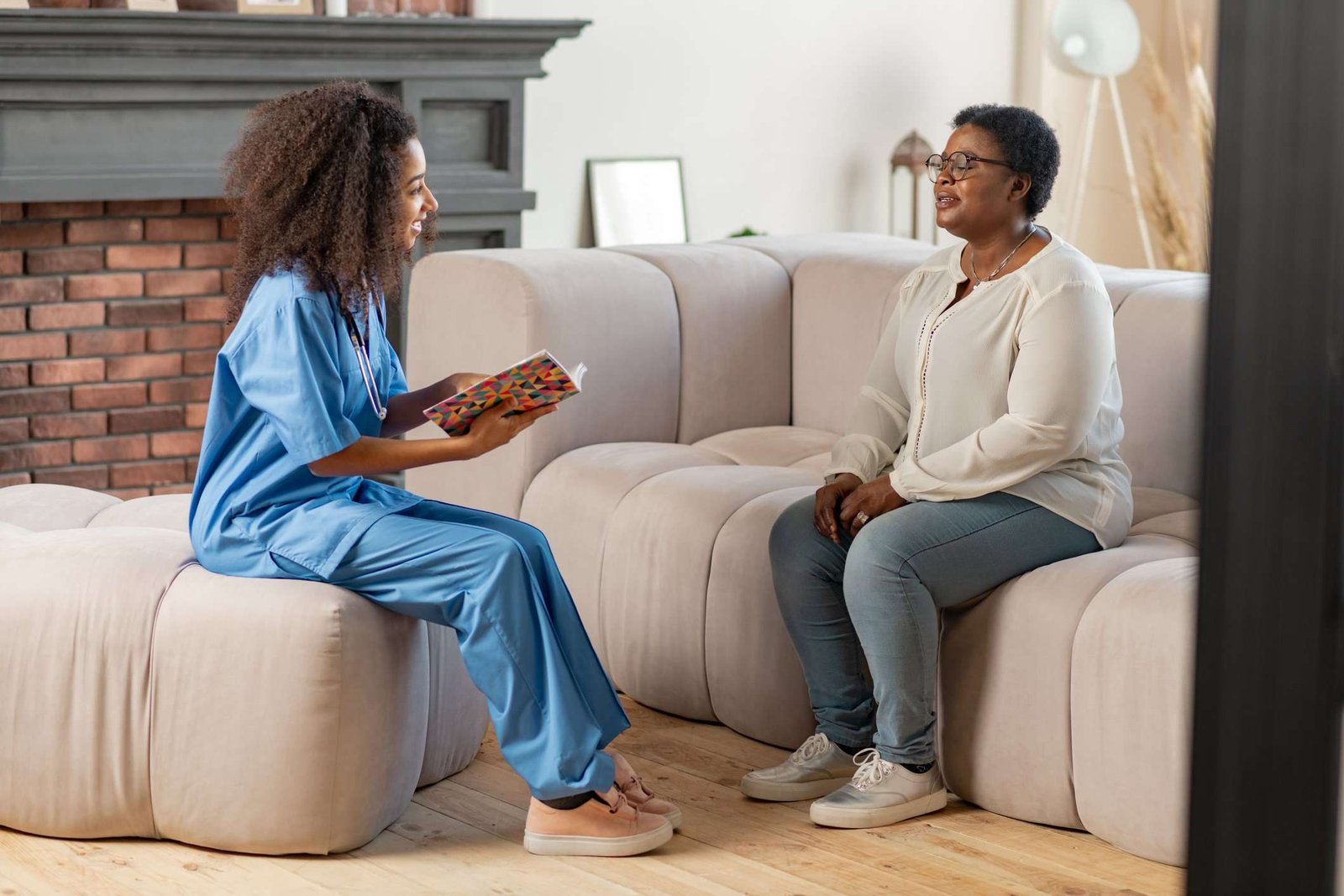
Not all caregivers have hobbies, and they don’t need them to be effective professionals. However, if they have one, it offers more information about their personalities and gives you a better idea of how well they are likely to get along with your loved one.
Personality matching is important to the success of a caregiver, and hobbies are key to this; for instance, if your older relative has an interest in the piano or sports, it helps if they have someone they can connect with on these subjects; but the question may not be a deal-breaker.
A care plan is a written document that ascertains the relevant needs of your relative; these plans should be updated regularly to ensure that caregiving is focused and relevant. It’s important to ask caregivers about their care plan habits to ensure you invest in the right one.
The best care plan is one that is steady and flexible; you and your relative should know exactly what to expect from the carer, with some variations that can be observed easily on the updated plans. Agencies have criteria in place, but you might need clarification from independent carers.
Whether it’s an independent caregiver or an agency, you will want to find out how they intend to communicate. For instance, will the carer contact you by phone or message service? How often can you expect to be in touch, and what happens in the event of an emergency?
At the same time, you need to find out how you can contact them if your loved one needs care after hours or you need to talk to them about an addition to the care plan, you need to find out whether they have a direct line or an emergency contact to get in touch with them.
Caring for elders can be stressful, especially when they have challenging personalities and conditions; that’s why it’s so important to find out how caregivers meet these challenges and how they handle the daily stresses. The last thing you want is a burnt-out carer.